Key Technologies
Welcome to a world where science meets practical application, and engineering precision combines with a vision of the future. Discover the Institute’s most important work, key projects and engineering achievements from aviation to space.

AIRCRAFT
Our activities began with the certification of Polish aircraft. After the Second World War, many well-known designs were developed at the Institute, including Bies, Iskra, Iryda and Manager. Aircraft engines were and remain one of our core areas of expertise. Today our engineering capabilities continue to develop through participation in European research programmes shaping the future of global aviation.
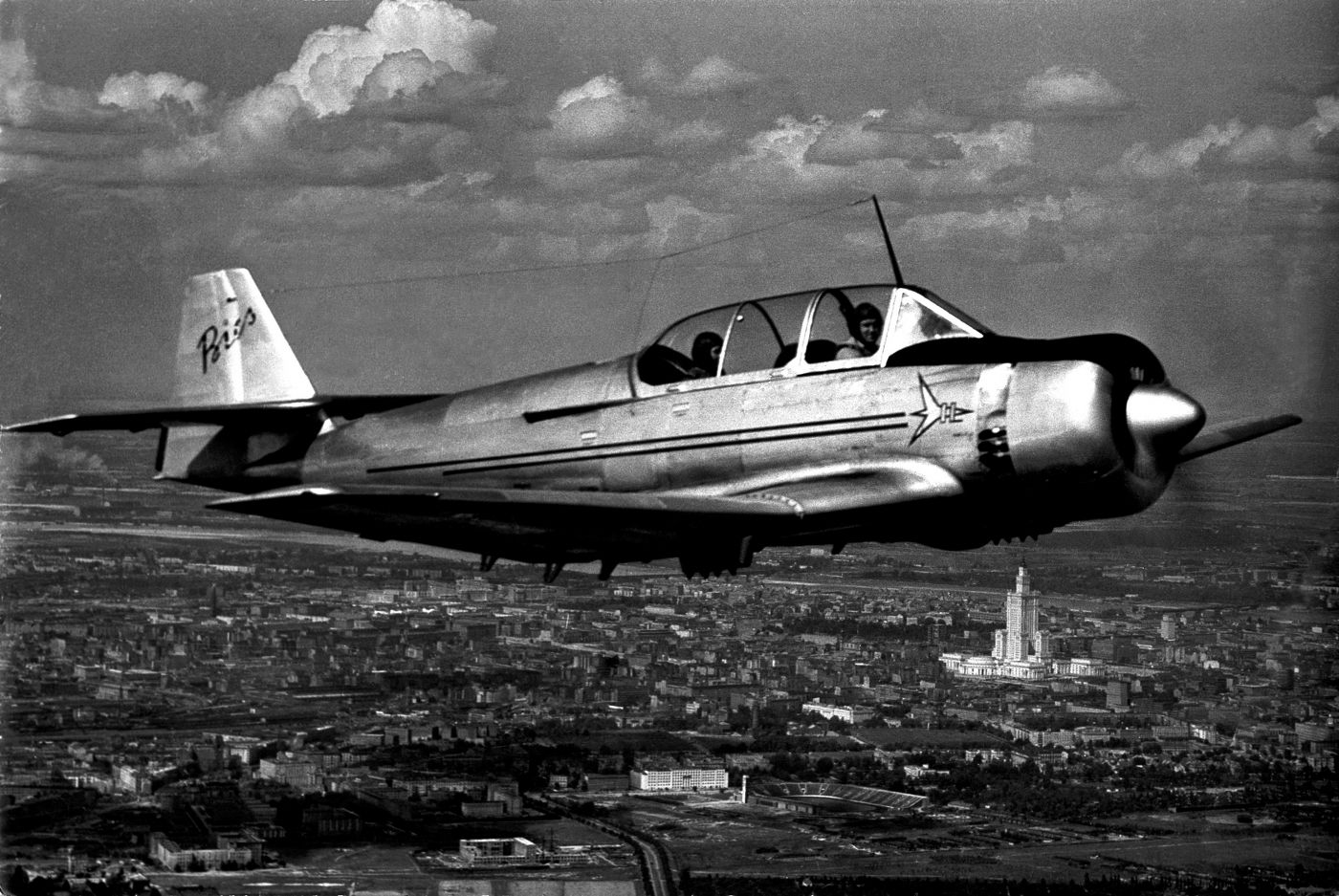
TS-8 Bies training aircraft
Designed at the Institute under the leadership of Tadeusz Sołtyk, the TS-8 Bies was the successor to the Junak 3 trainer. It was the first post-war Polish aircraft with a metal semi-monocoque structure. The aircraft made its maiden flight in 1955 and was powered by the WN-3 piston engine. The TS-8 Bies set three international records in the C-1c aircraft class: altitude, range and speed.
I-22 Iryda advanced trainer and combat aircraft
In the 1970s, the Institute began work on the design of a jet trainer and combat aircraft known as Iryda. The prototype, designated No. 102, made its maiden flight on 5 March 1985, piloted by Institute test pilot Ludwik Natkaniec. The chief designer of the aircraft was Dr Eng. Alfred Baron, and from 1987 the role was continued by Włodzimierz Gnarowski.
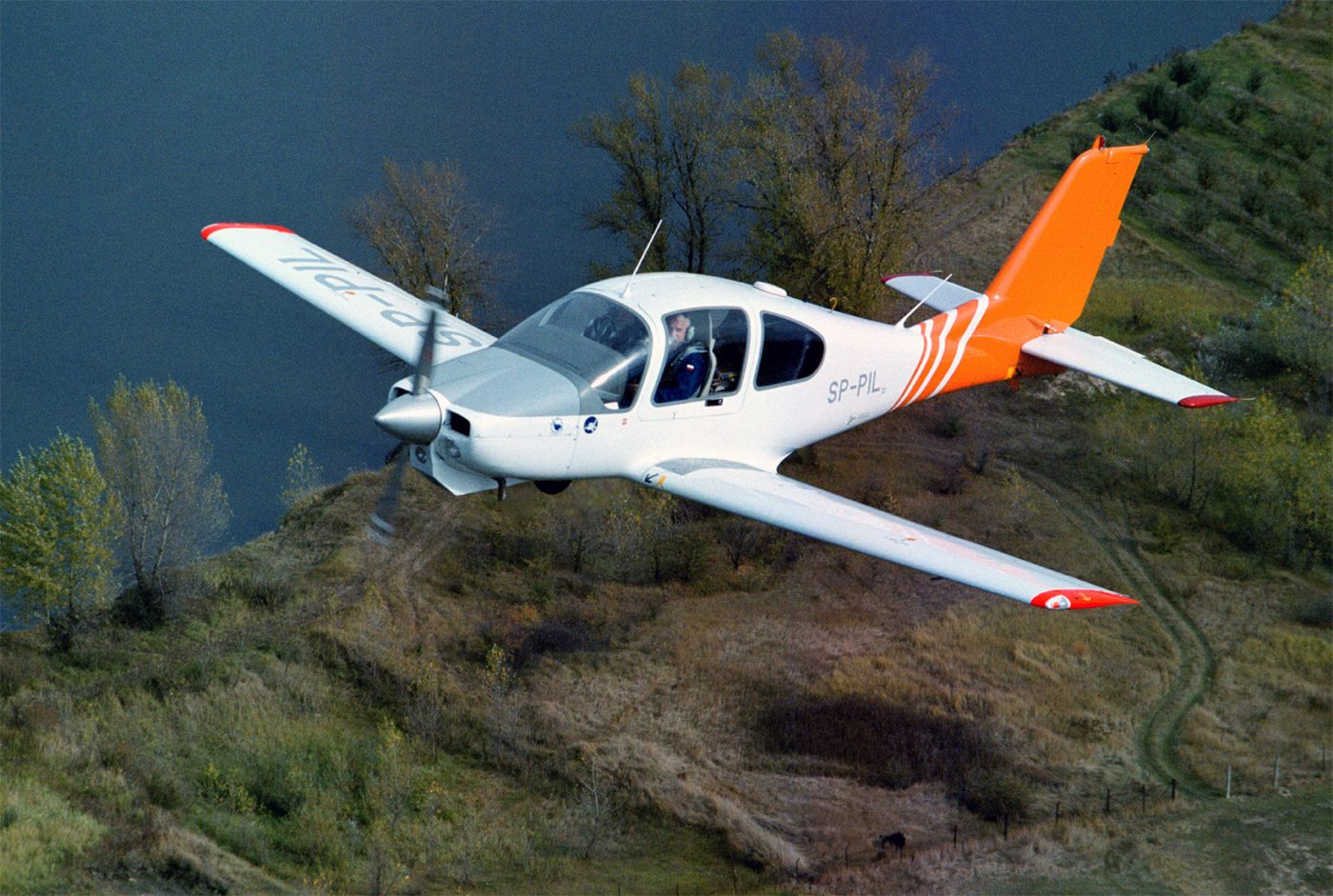
I-23 Manager aircraft
The I-23 Manager was a lightweight, four-seat composite aircraft of a new generation. It was designed for private users requiring fast and long-distance travel, as well as for aeroclubs and flight schools for pilot training. The aircraft structure was made from composite materials based on epoxy resins reinforced with carbon and glass fibres. The aircraft was developed within the Light Aircraft and Safety Programme. The chief designer was Dr Eng. Alfred Baron.
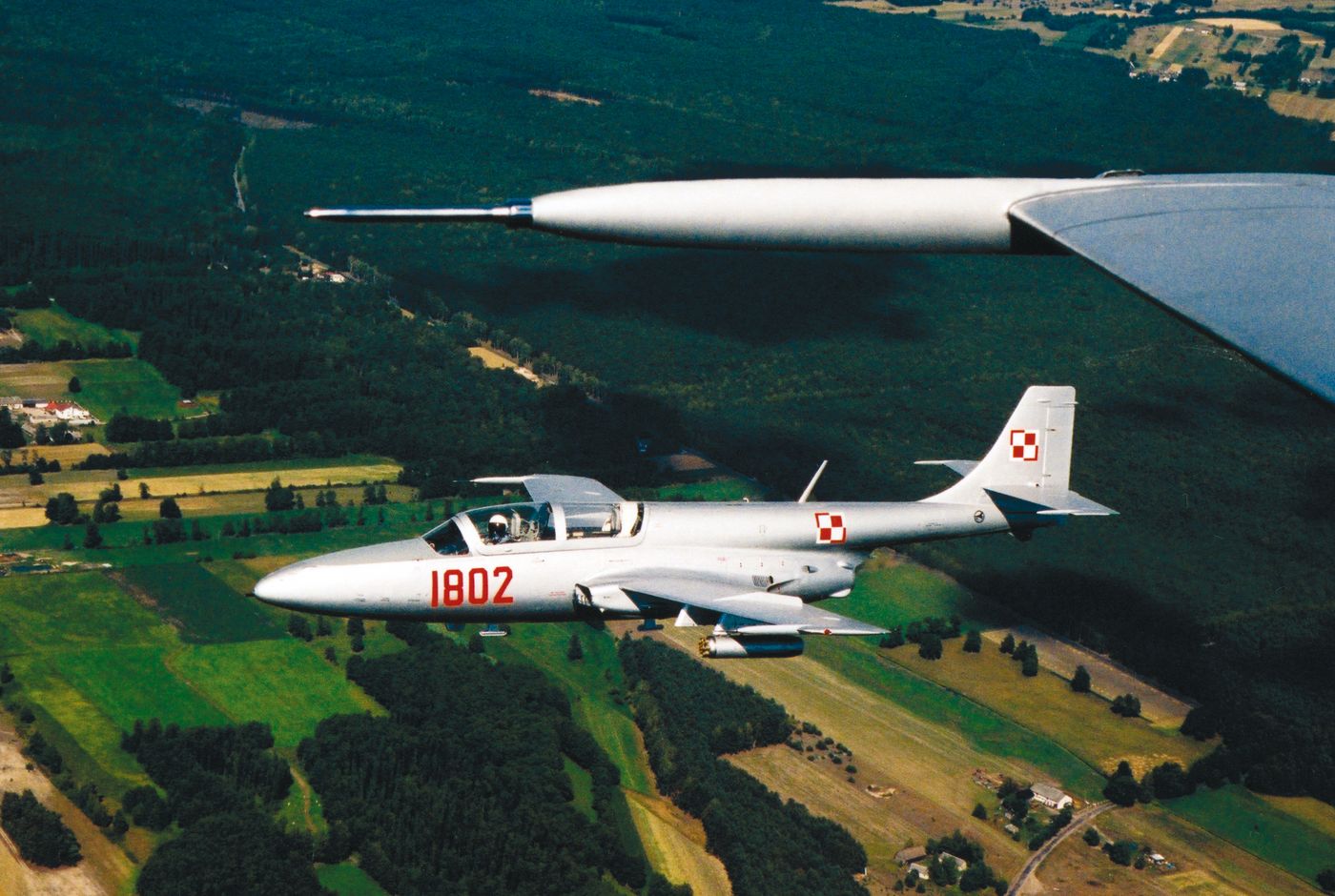
TS-11 Iskra jet trainer
The TS-11 Iskra training aircraft was designed by a team led by Tadeusz Sołtyk at the Experimental Construction Office (OKL) of WSK Okęcie. The first prototype flew on 5 February 1960, piloted by experimental test pilot Andrzej Abłamowicz. From 1963, the aircraft was produced in series at WSK Mielec. Powered by the SO-1 jet engine, the aircraft set four international records in the C-1d class and from 1964 served as a trainer in the Polish military aviation.
Aircraft engines
Engineers at the Institute designed and tested several aircraft engines, including:
- WN-3 radial engine – developed under the leadership of Witold Narkiewicz for the TS-8 Bies trainer aircraft
- SO-1 jet engine – the first Polish jet engine
- K-15 turbojet engine – developed for the I-22 Iryda; chief designers: Andrzej Wierzba and Julian Falęcki
- D-18A twin-spool turbofan engine – a successor to the K-15 engine intended for the Iryda aircraft
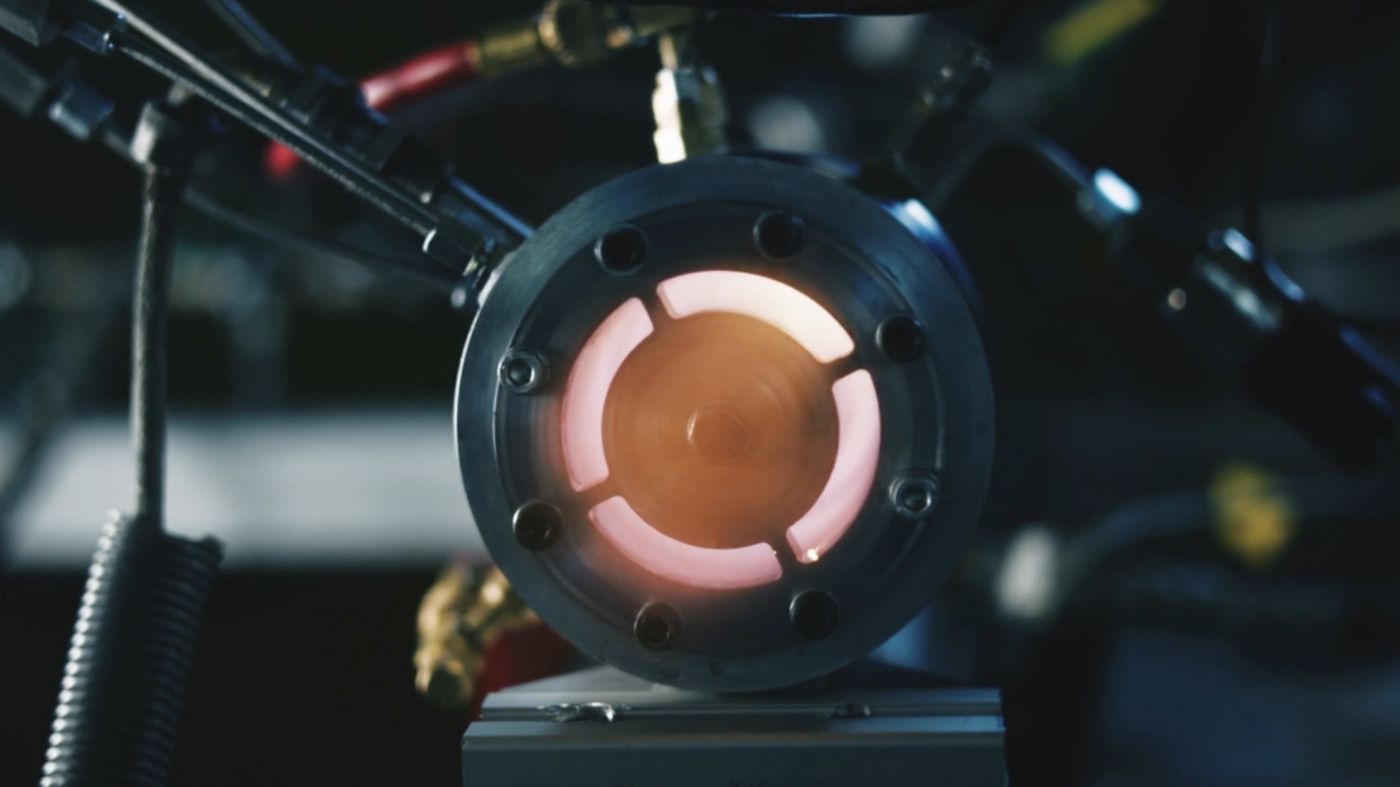
- Turbine engine with a rotating detonation combustion chamber, developed under the leadership of Prof. Piotr Wolański
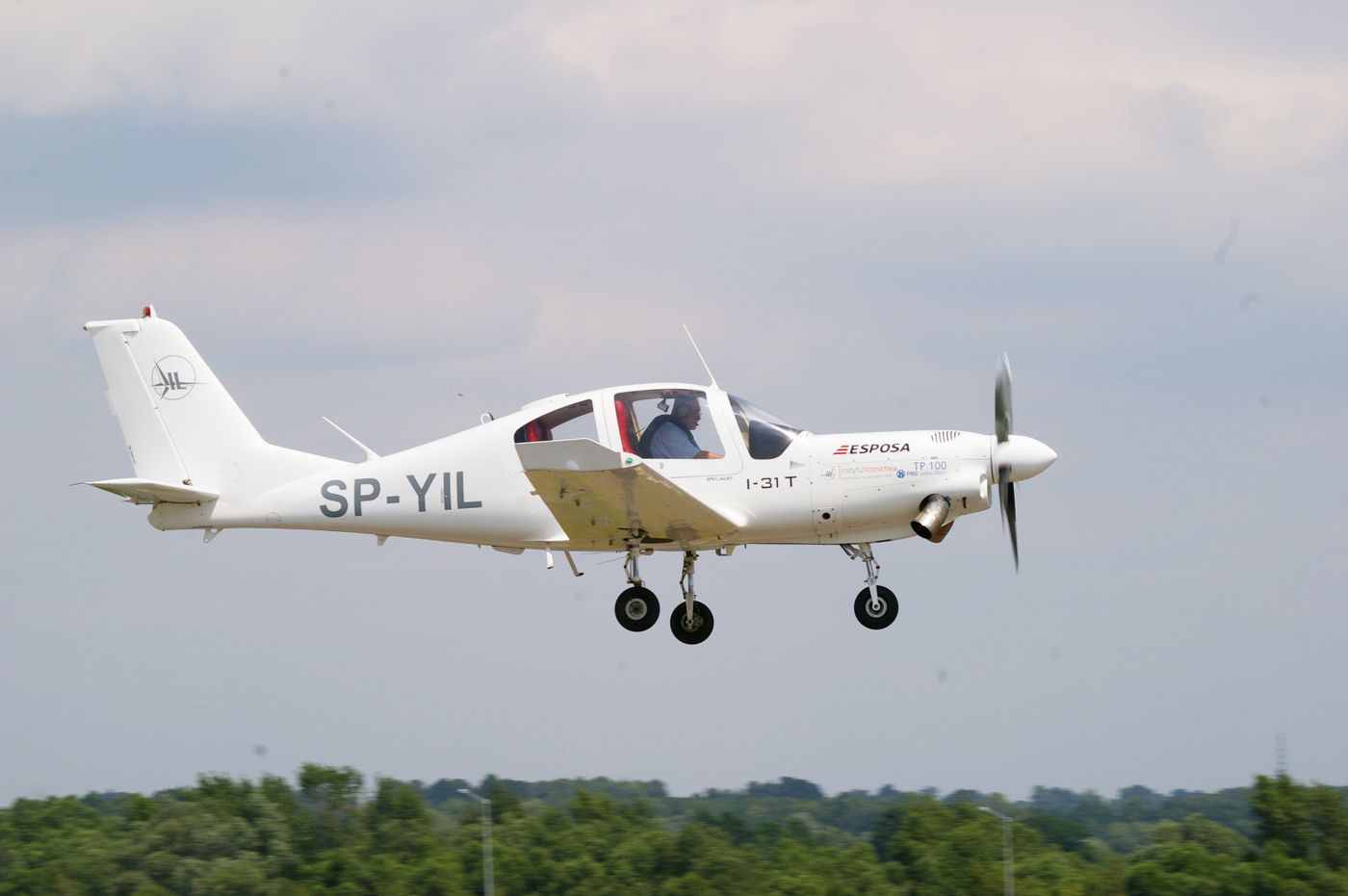
I-31T aircraft
The I-31T was a modified version of the I-23 Manager aircraft. The chief designer of the aircraft was Paweł Guła. The aircraft was used in the European ESPOSA research project.
ROTOCRAFT
Research and development of helicopters at the Institute dates back to the 1950s. During that period, innovative designs such as GIL, ŻUK and TRZMIEL were developed. The Institute also conducted extensive testing of rotorcraft systems and components.
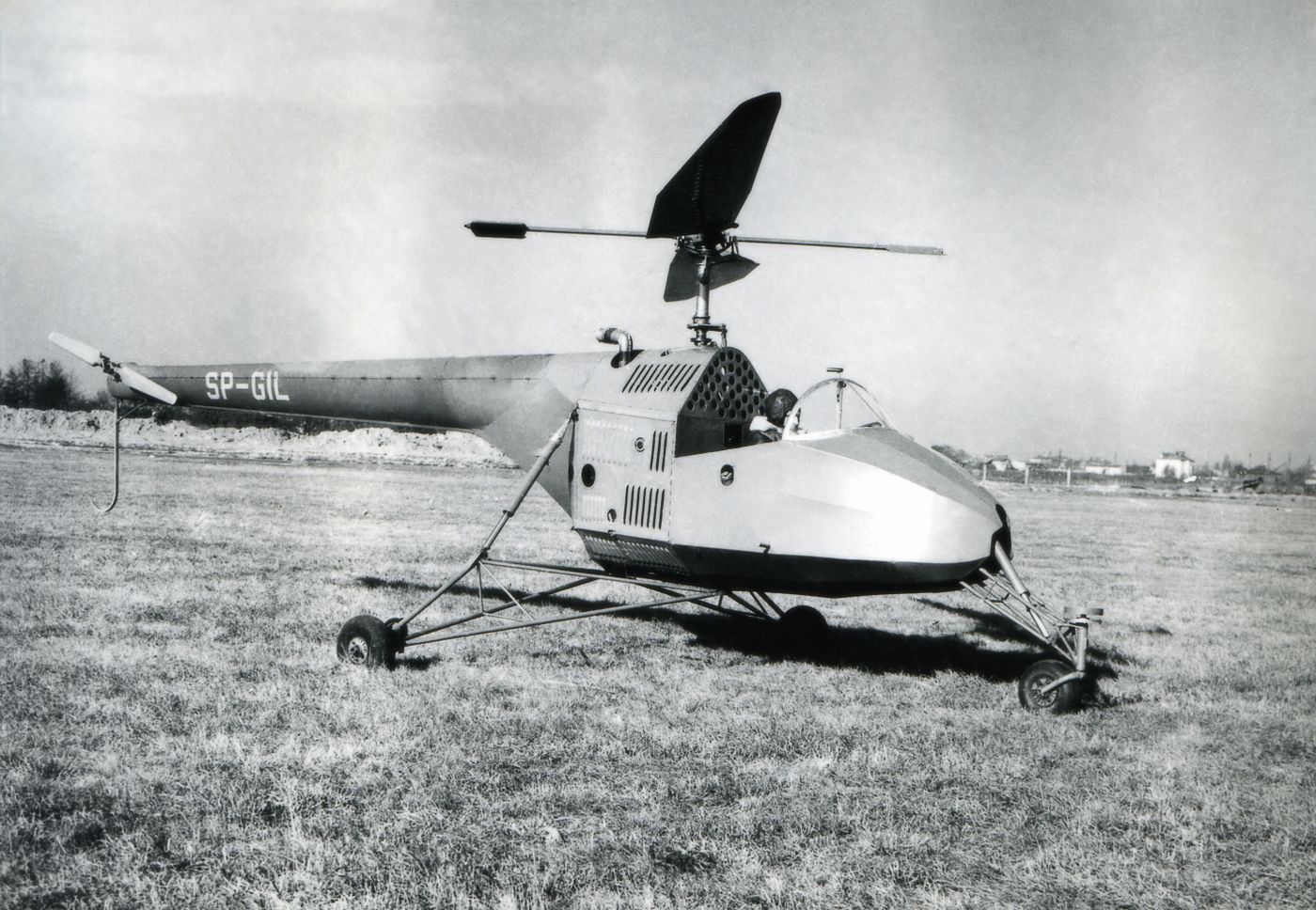
BŻ-1 Gil – experimental helicopter
The helicopter’s rotor system and overall design integration were led by Bronisław Żurakowski, the fuselage structure was designed by Tadeusz Chyliński, while structural calculations and several mechanisms were developed by Dr Eng. Zbigniew Brzoska. The helicopter was presented to military authorities on 5 November 1950, and to the public during an air show on 20 July 1952.
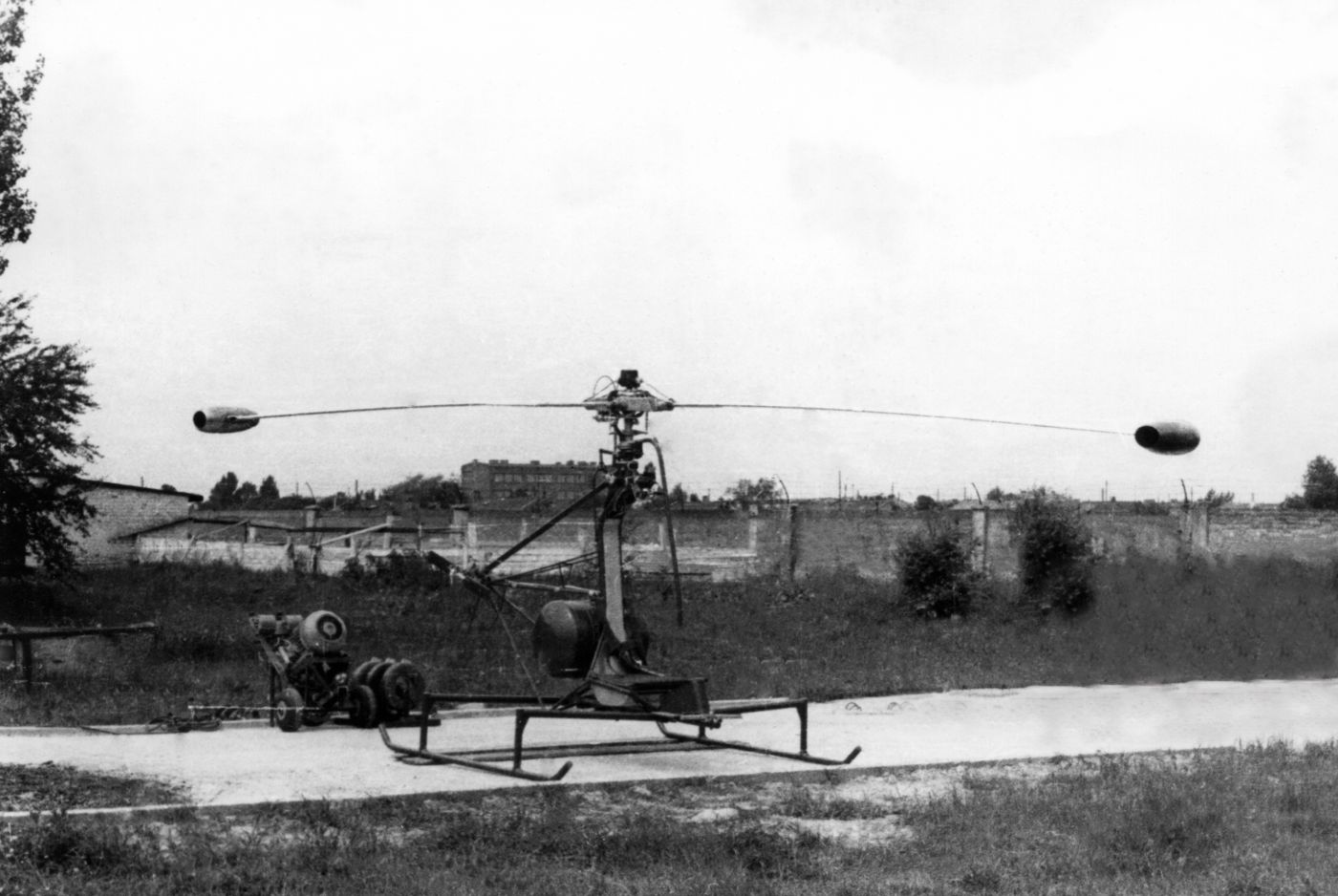
JK-1 Trzmiel – experimental helicopter
The JK-1 Trzmiel helicopter was designed in 1956 under the leadership of Jerzy Kotliński. The aircraft featured a rotor driven by jet engines mounted at the blade tips. Development was discontinued in 1959, as analyses indicated that the helicopter would be unsafe during autorotation.
SM-2 helicopter
The SM-2 helicopter was also tested at the Institute as part of research programmes involving rotorcraft systems and performance evaluation.
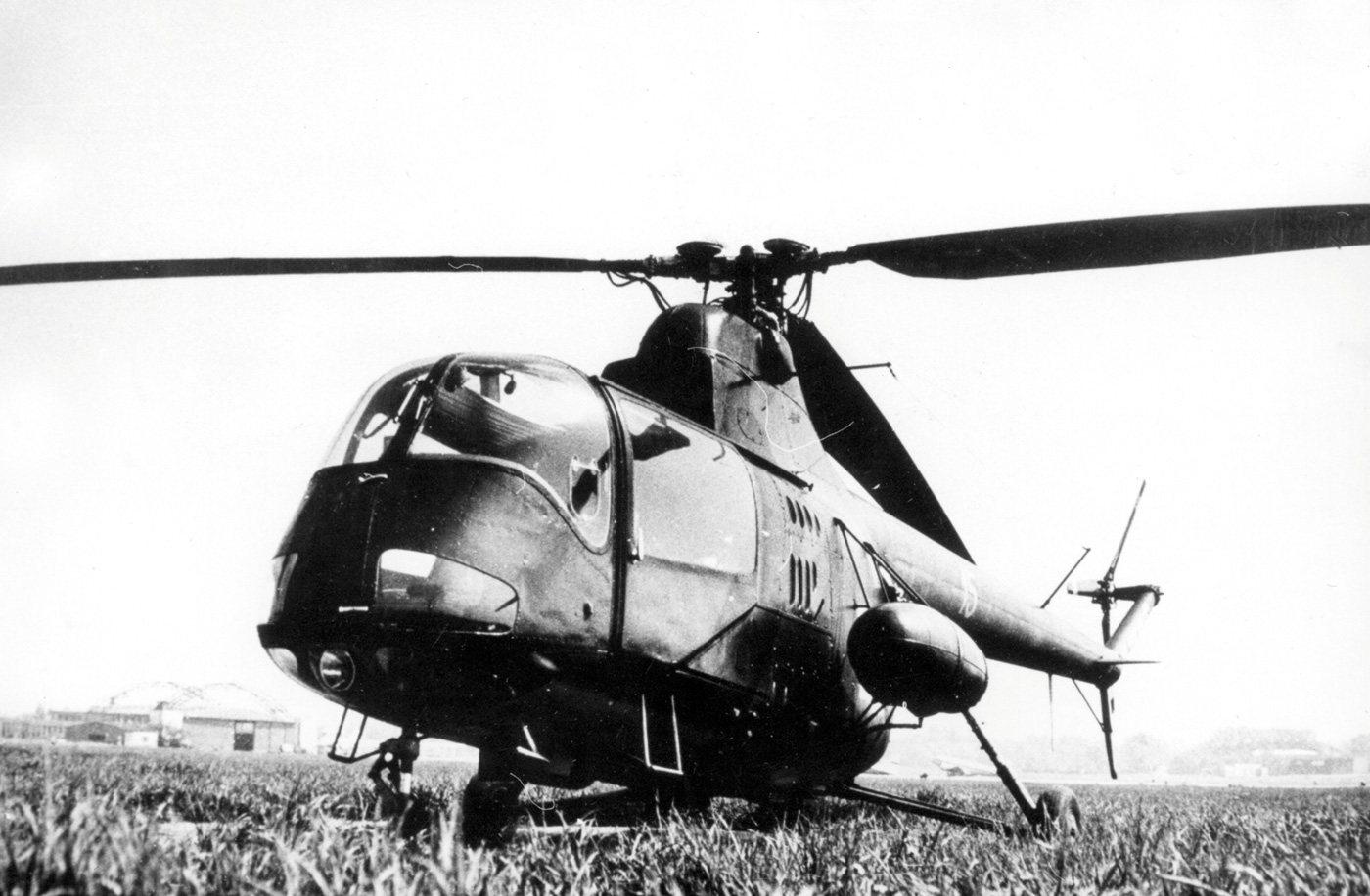
BŻ-4 Żuk – multipurpose helicopter
The BŻ-4 Żuk helicopter featured a three-blade main rotor using the Hiller control system and a three-blade tail rotor. Designed under the leadership of Bronisław Żurakowski, ground testing began in 1956, followed by tethered tests in early 1959 and the first free flight on 10 February 1959.
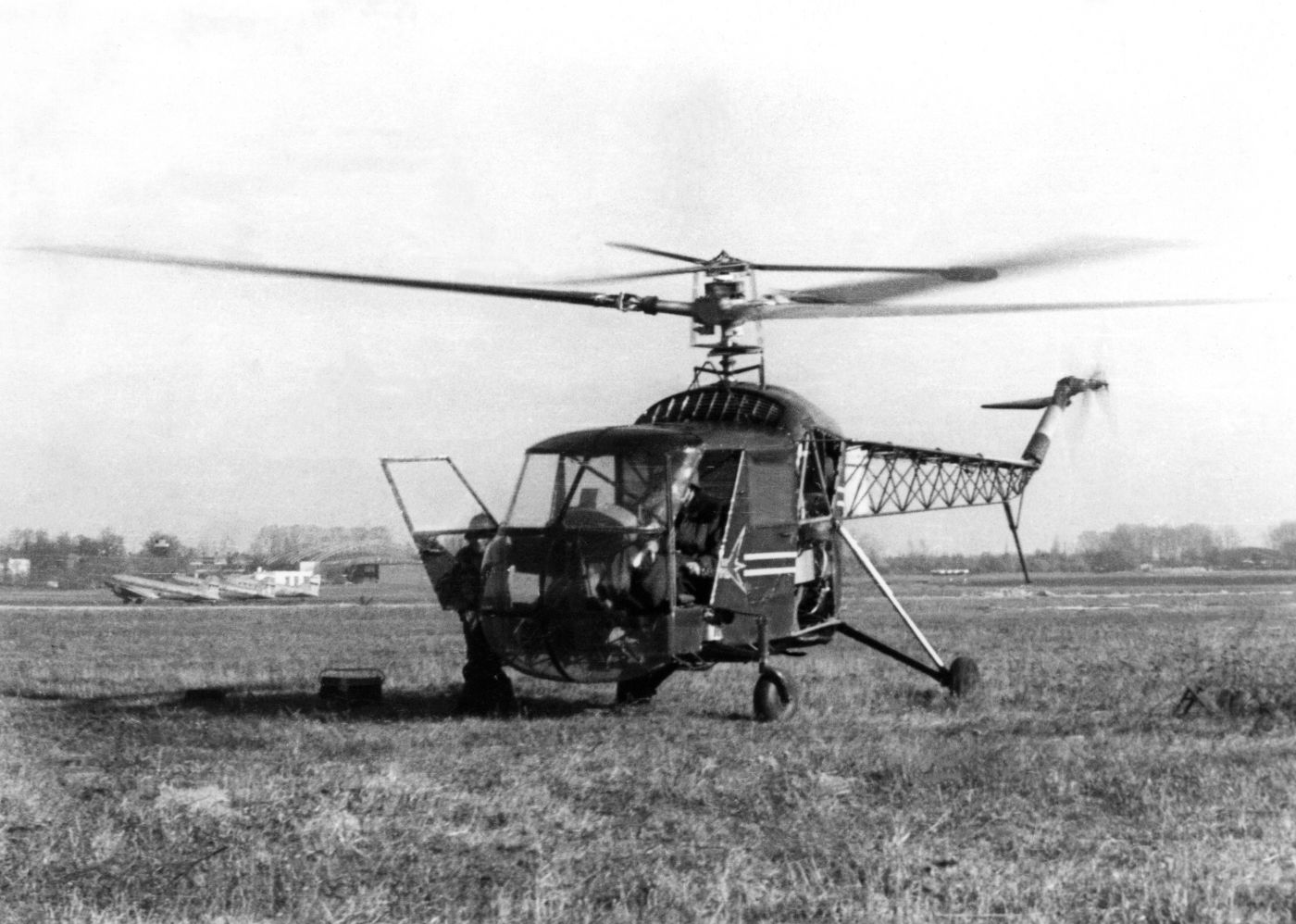
Modified SM-1 helicopter
The SM-1 helicopter was experimentally equipped with a wing designed by Stanisław Wielgus, with structural calculations performed by Jerzy Lamparski. The wings were intended to function either as mounting points for additional equipment or as integral fuel tanks.
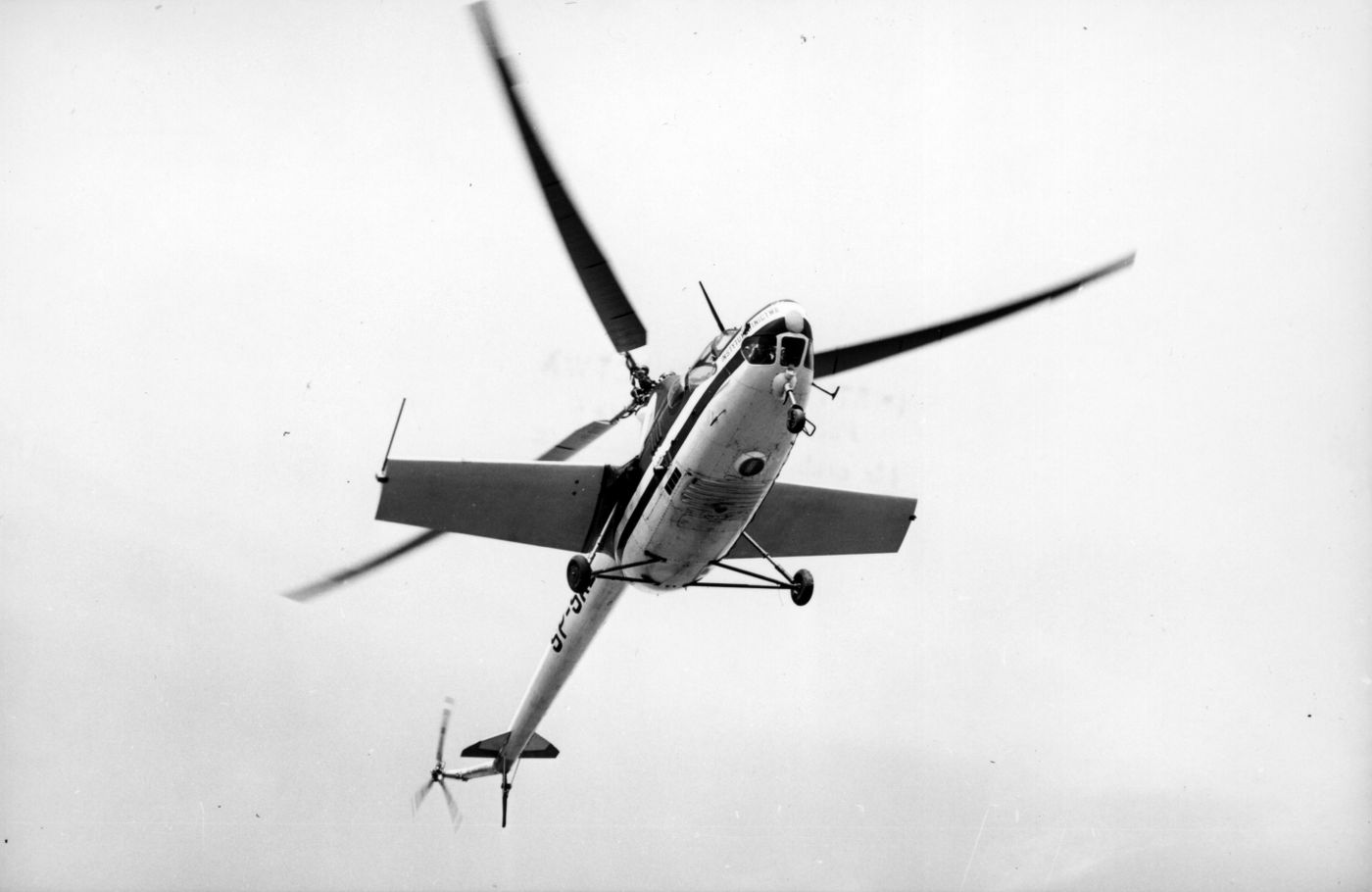
Mi-2 helicopter
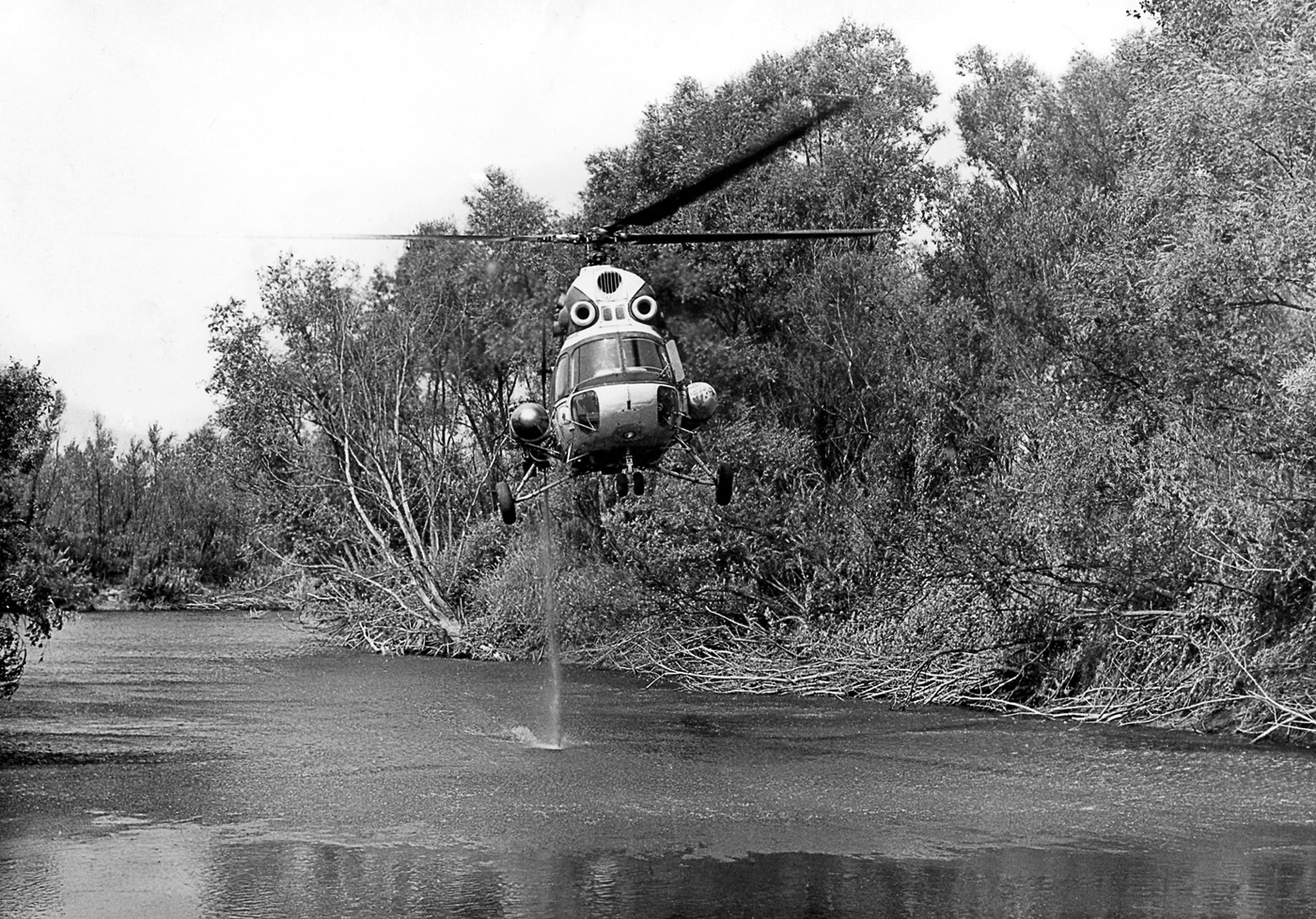
The Institute conducted flight tests of aerial application equipment installed on the Mi-2 helicopter, used in Africa for combating larvae of blackflies.
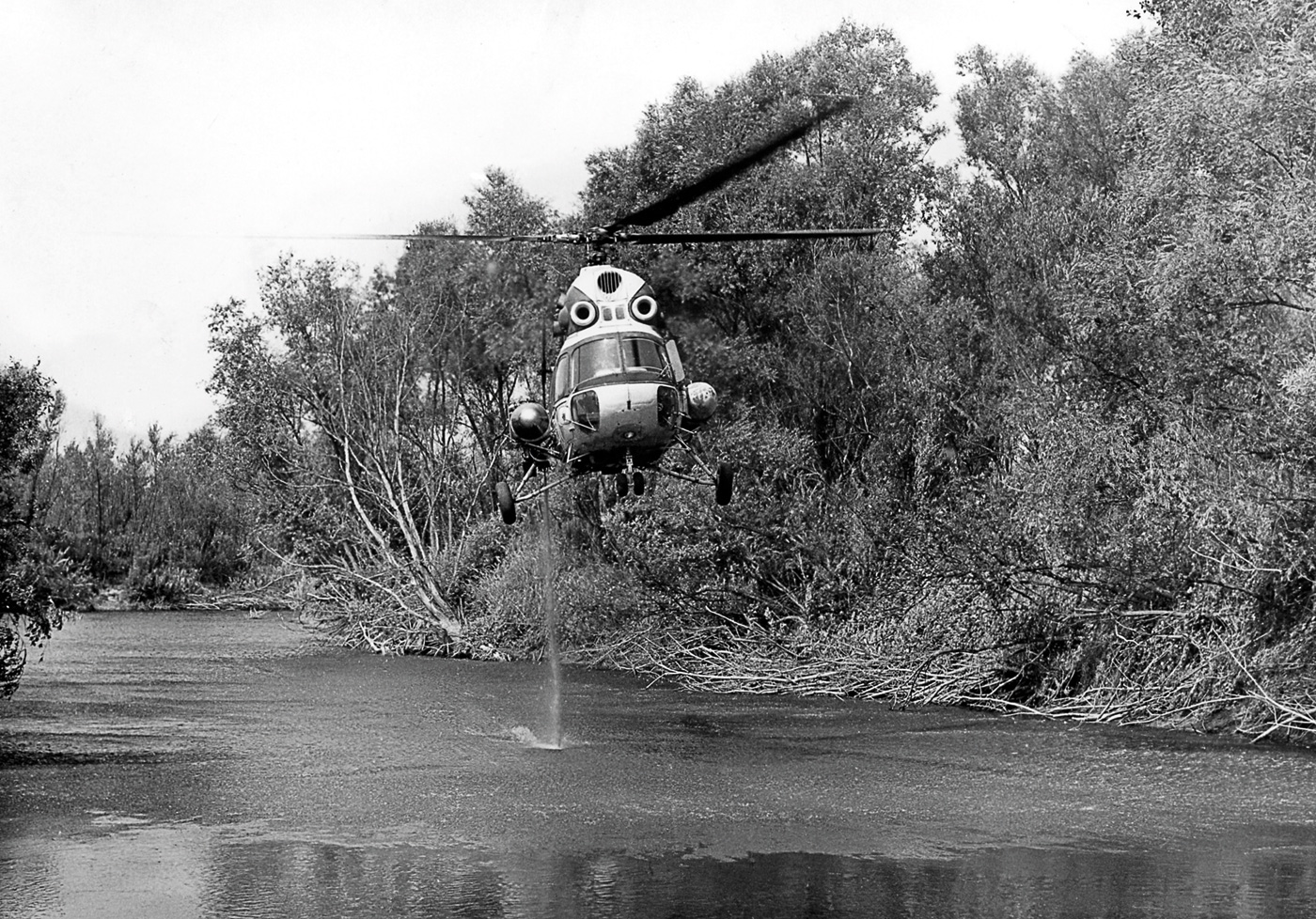
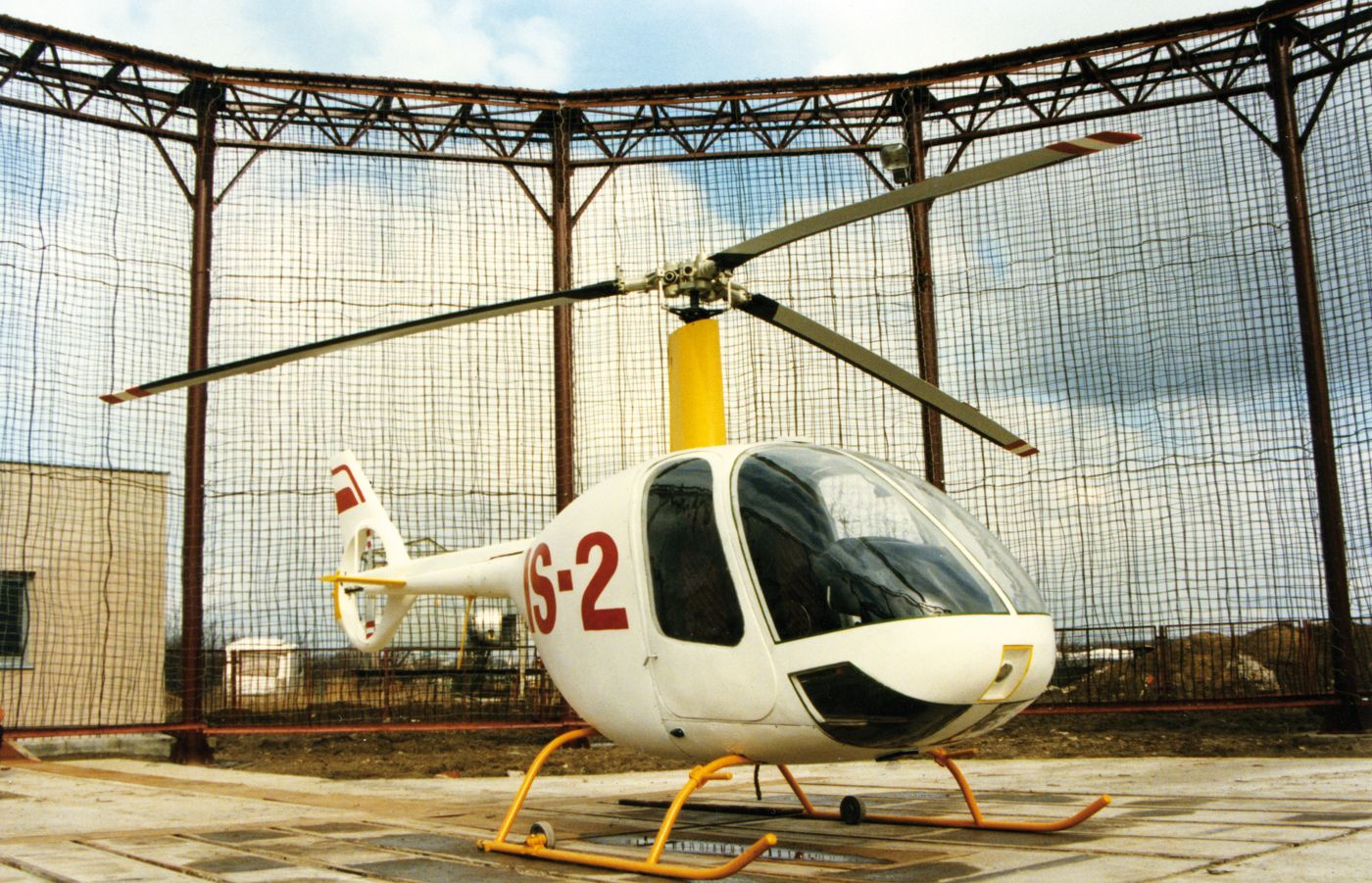
IS-2 two-seat training and patrol helicopter
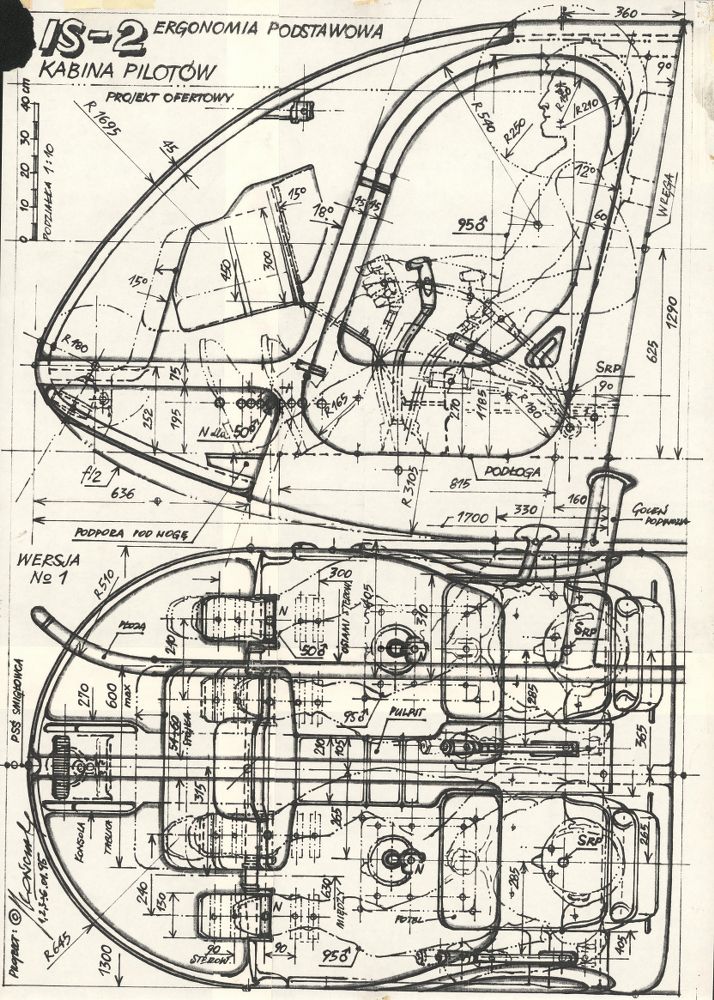
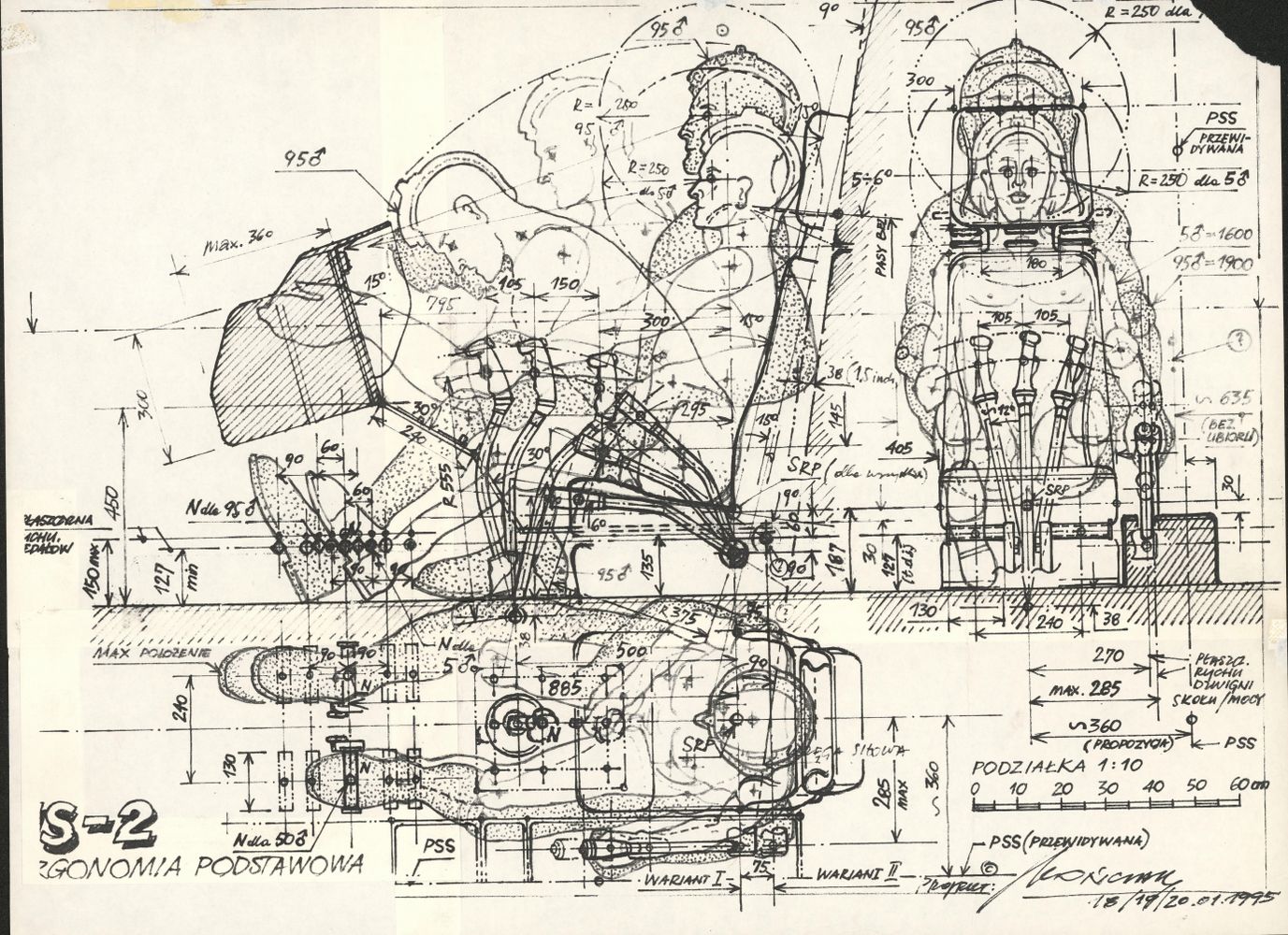
The IS-2 helicopter prototype was developed within the Light Aircraft and Safety Programme. The helicopter was intended for basic pilot training, transport missions, traffic monitoring, pipeline and power-line inspection, and border and coastal patrol operations.
DRONES AND UNMANNED SYSTEMS
In the 21st century, the Institute became involved in the development of unmanned aerial systems, including solutions designed for defence applications. UAVs are also widely used by Institute engineers working in remote sensing.
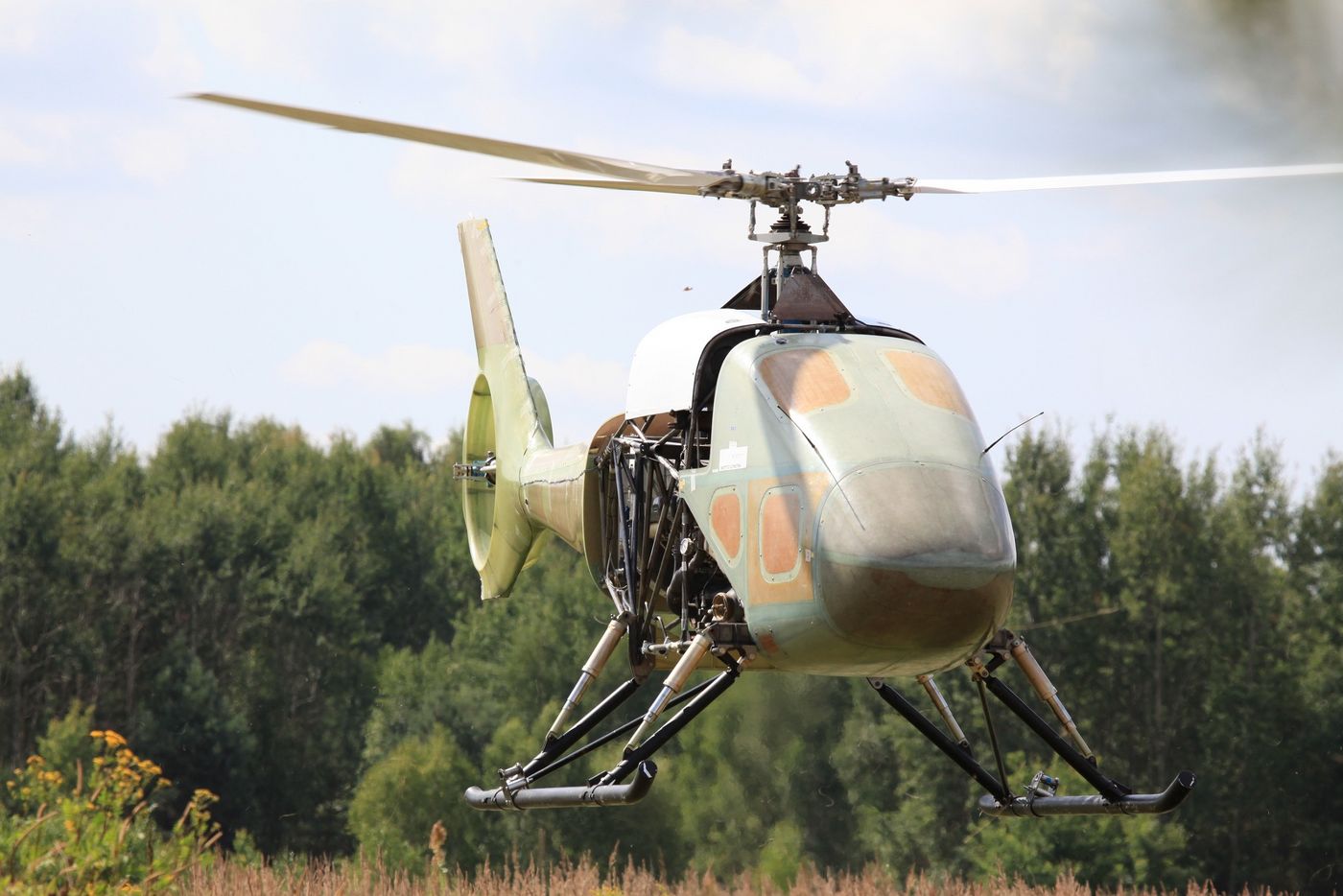
ILX-27 unmanned helicopter
The ILX-27 unmanned helicopter was developed by a consortium consisting of the Institute of Aviation, the Air Force Institute of Technology and WZL No. 1 S.A. The aircraft was intended to support both military and civilian services operating in difficult conditions. In 2012, flight tests of the ILX-27 were carried out at the Zielonka military testing range near Warsaw.
SUDIL-1 drone interception system
The SUDIL-1 system enables the interception of unwanted drones in the air using a net capture mechanism combined with automated target tracking based on computer vision. The system launches the net at the optimal moment, after which the captured drone can be towed or released using a parachute. The system was developed in 2016 in the Institute’s unmanned systems laboratory.
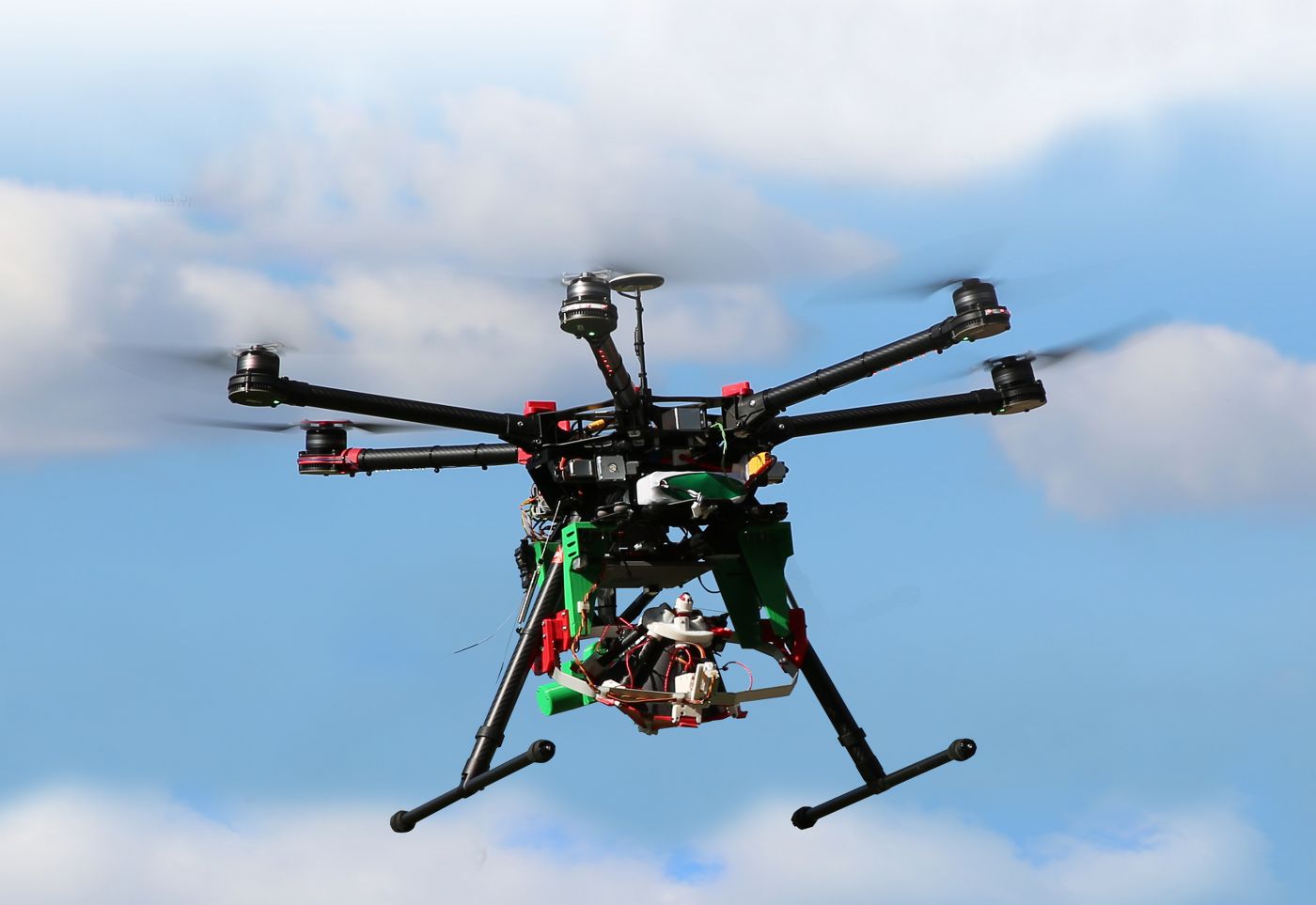
SUDIL-2 drone neutralisation system
The SUDIL-2 is a second-generation platform designed to neutralise hostile drones. It automatically detects and tracks intruding UAVs. The intercepted drone can be towed to a safe location or released using a parachute at any moment. The system can be integrated with external drone detection systems and includes emergency landing systems and its own mobile ground control station.
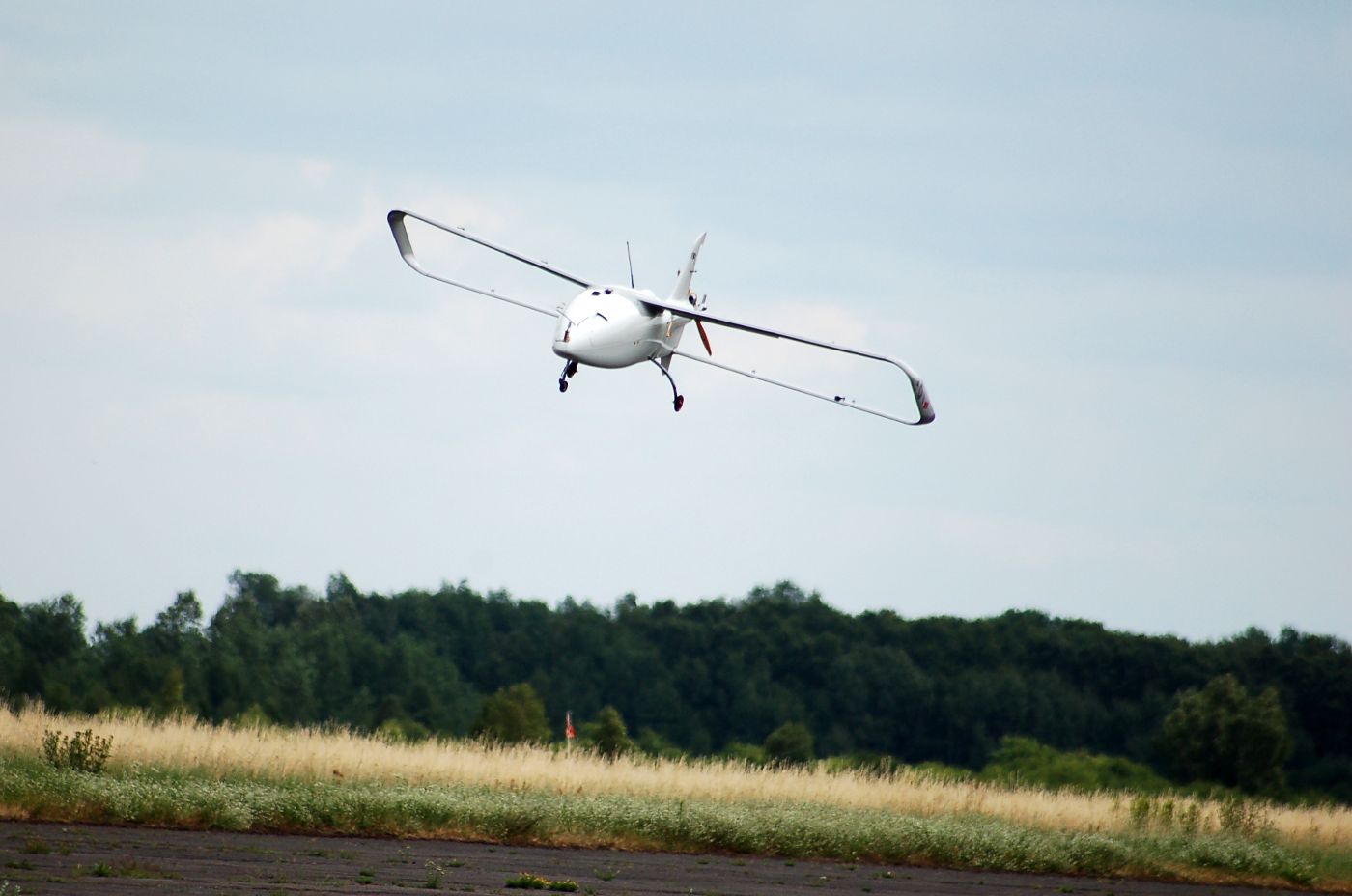
ILX-32 unmanned aircraft
The ILX-32 was developed within the MOSUPS project, which explored a tourist aircraft concept using a joined-wing configuration. The project was led by Prof. Cezary Galiński and carried out by a consortium including Warsaw University of Technology, the Air Force Institute of Technology, MSP Marcin Szender and the Institute of Aviation. The project was financed by the National Centre for Research and Development. In cooperation with the Nevada Institute for Autonomous Systems, the UAV systems were integrated with an UTM air traffic management system developed, among others, by NASA. Between 2018 and 2019, a series of unmanned flight missions were conducted in Nevada, USA.
GLIDERS
Structural strength and resonance testing of gliders has been one of the Institute’s long-standing areas of expertise. Over the years, such tests have been carried out for numerous Polish glider designs.
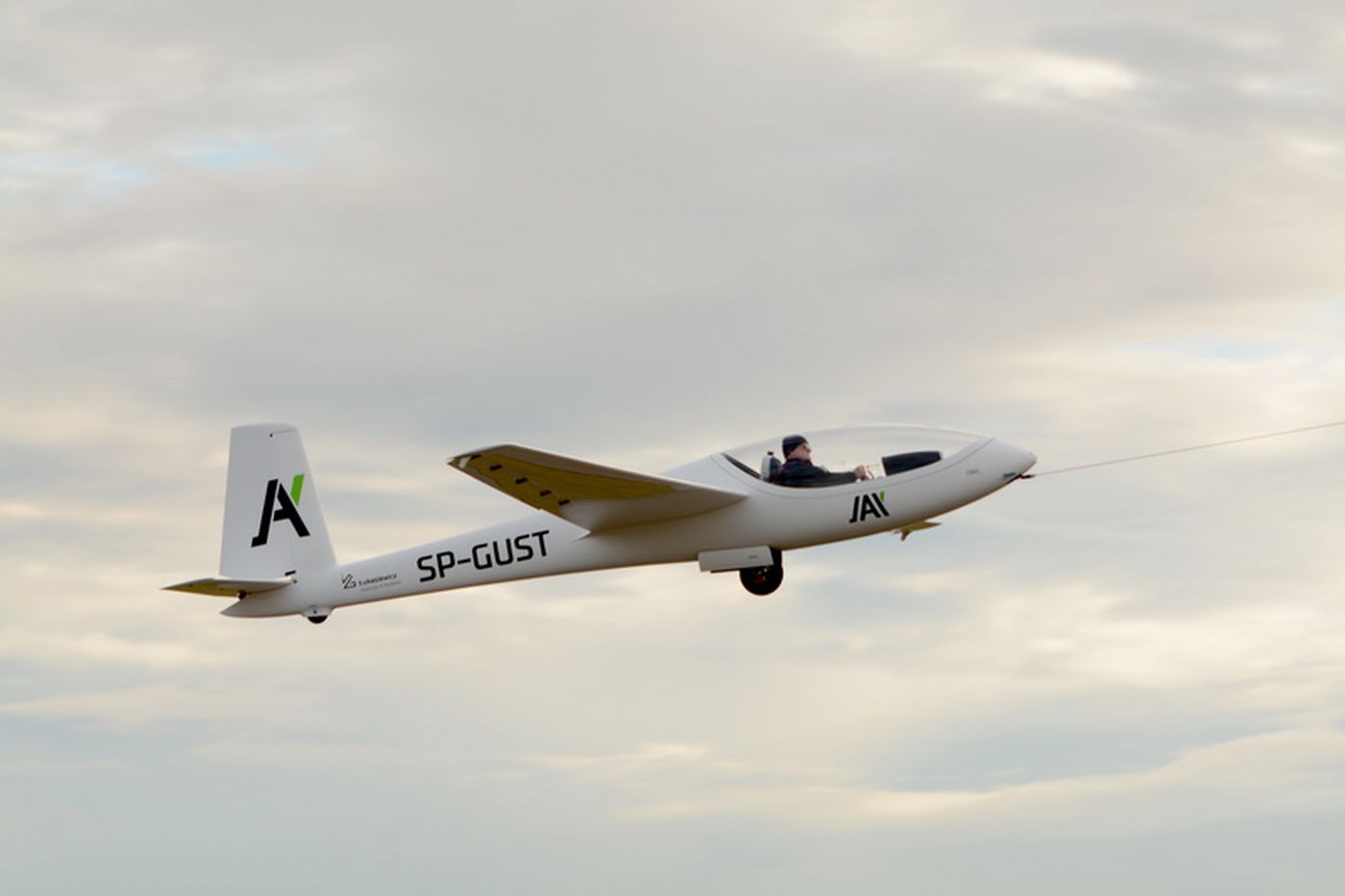
Today, the Institute is also developing advanced composite materials, which are used in our latest aircraft project – the I-45 JAY aerobatic glider, manufactured using prepreg technology.
I-45 JAY aerobatic glider
The I-45 JAY aerobatic glider is the successor to internationally recognised designs such as the SZD-21 Kobuz, S-1 Swift and MDM-1 Fox. In the JAY glider, the wings were manufactured for the first time in Poland using prepreg technology (pre-impregnated composite materials). This technology, widely used in passenger aircraft, offers high structural quality, excellent strength and high repeatability of production.
Nearly 100 engineers from the Łukasiewicz – Institute of Aviation representing multiple disciplines were involved in the project. They were responsible for aircraft design, aerodynamics and composite structural development, highlighting the multidisciplinary character of the programme.
SPACE
The Institute’s history includes projects such as the Meteor sounding rockets and participation in the Interkosmos programme. The Institute also successfully developed pulsejet propulsion systems. One of the most recent achievements is the successful launch of the ILR-33 BURSZTYN 2K rocket, which reached the boundary of space. Work has also begun on the SPARK nanosatellite, developed within the Łukasiewicz Research Network. The Institute is also advancing research into rotating detonation propulsion technology.
Meteor sounding rockets
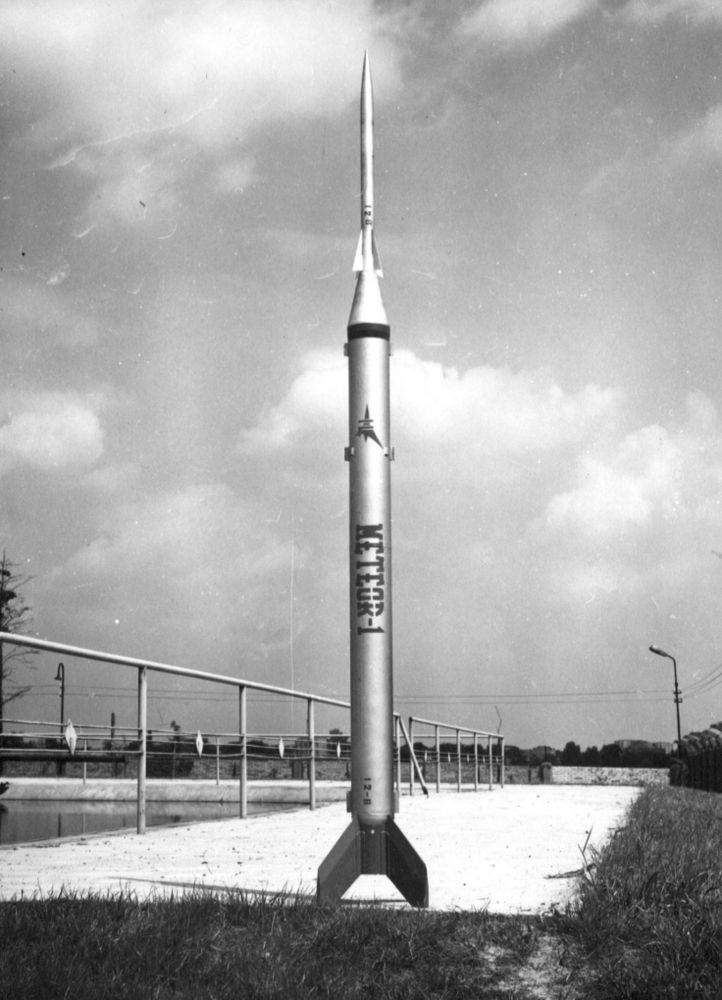
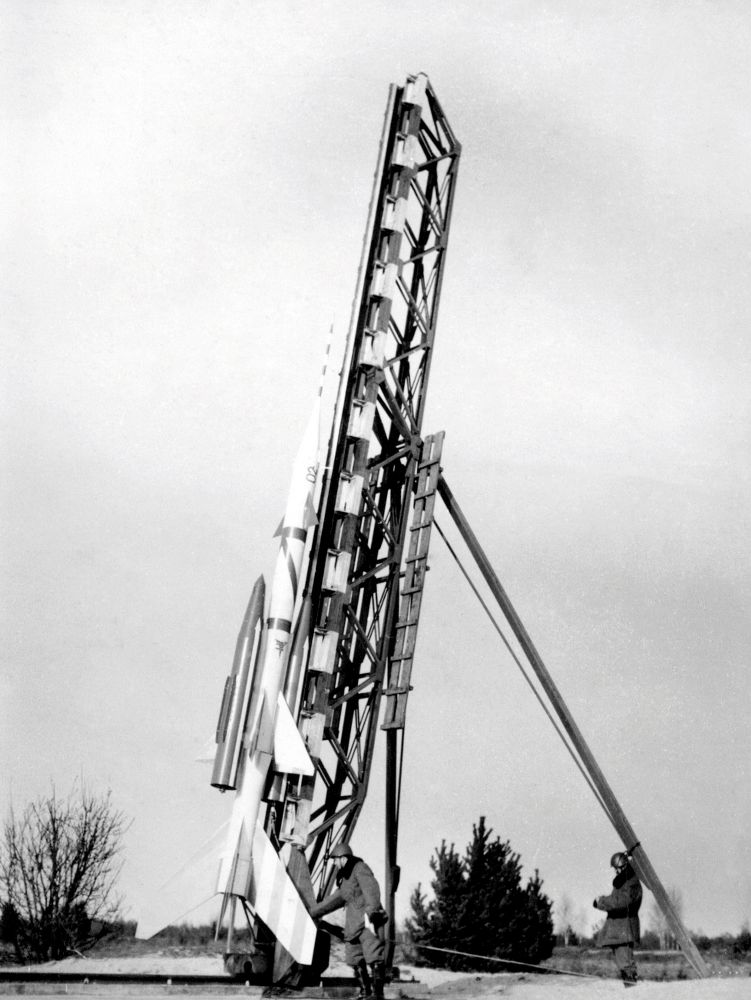
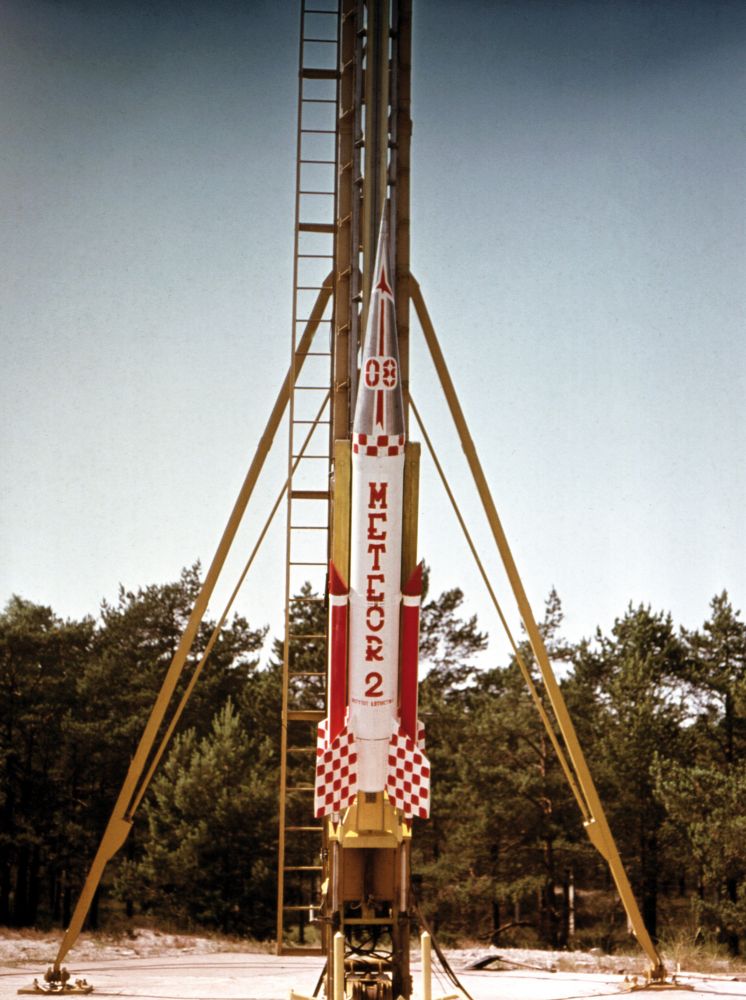
The Institute’s involvement in meteorological rocket research was closely linked to a programme developed in 1962 by the State Hydrological and Meteorological Institute aimed at studying the upper layers of the atmosphere and their influence on near-surface weather conditions. Since the “upper atmosphere” was defined as altitudes above 30–35 km, traditional balloon-based sounding methods were insufficient, making rocket-based measurements necessary. In mid-1962 the Institute was commissioned to design and test the first Polish meteorological rocket. Later that year a contract was signed for a prototype series of 30 rockets, designated Meteor-1. Two further versions were later developed: Meteor-2 and Meteor-3.
Rotating detonation rocket engine
A team of engineers from the Łukasiewicz – Institute of Aviation conducted the world’s first successful flight test of an experimental rocket powered by a liquid-propellant rotating detonation rocket engine (RDE).
Rotating detonation technology has a wide range of potential applications, including rocket propulsion, aircraft engines and energy systems. Combustion chambers using rotating detonation offer several advantages: a simpler and more compact design, reduced mass and potentially lower manufacturing costs.
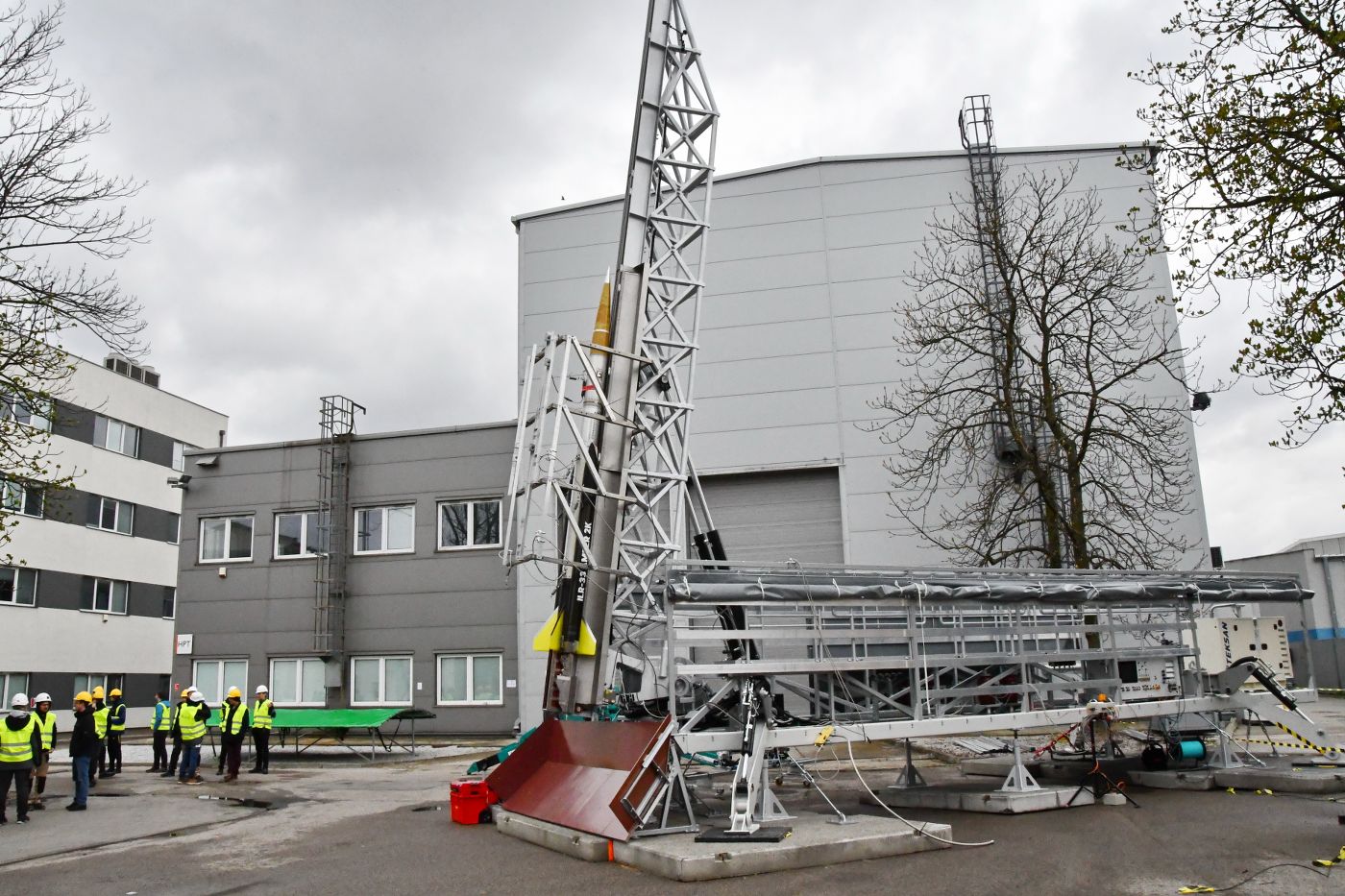
WR-2 launcher
The WR-2 launcher is designed for launching single-stage and multi-stage suborbital rockets with both parallel and serial stage configurations. The launcher allows precise adjustment of the launch angle according to wind conditions near the ground immediately before launch. It can operate fully independently without external infrastructure support.
Development of the Polish civil launcher took just over a year, from concept and design to manufacturing and commissioning. The launcher is capable of launching rockets with a mass of up to 3,000 kg and thrust approaching 80 kN, significantly exceeding the requirements for the BURSZTYN 2K rocket and enabling support for larger future rocket projects.
The launcher includes integrated power supply systems, control systems and hydraulic support legs, enabling autonomous loading and unloading from transport trailers. It is also designed for long-distance transport and containerised shipping.
Rocket engines and missile systems
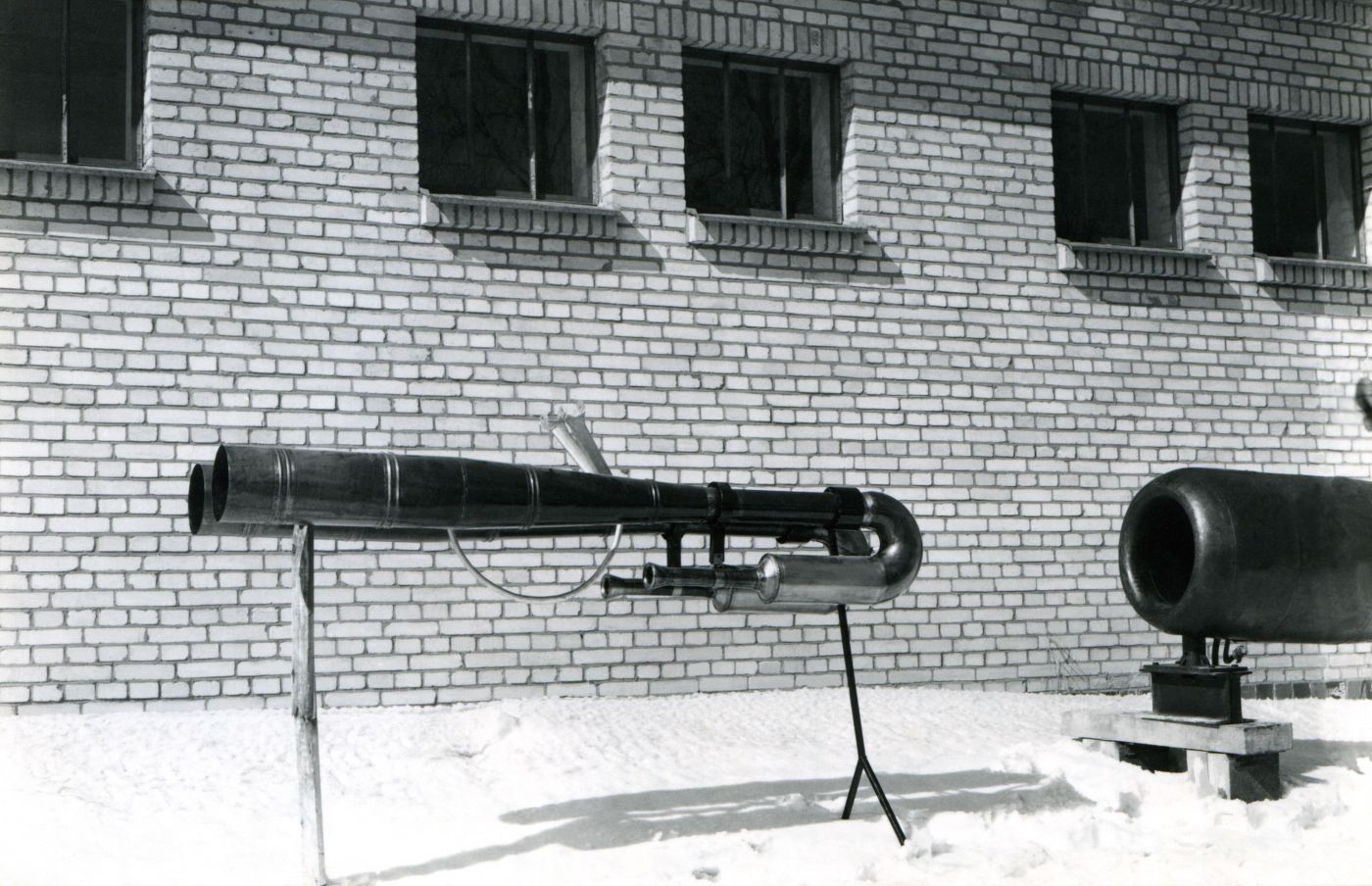
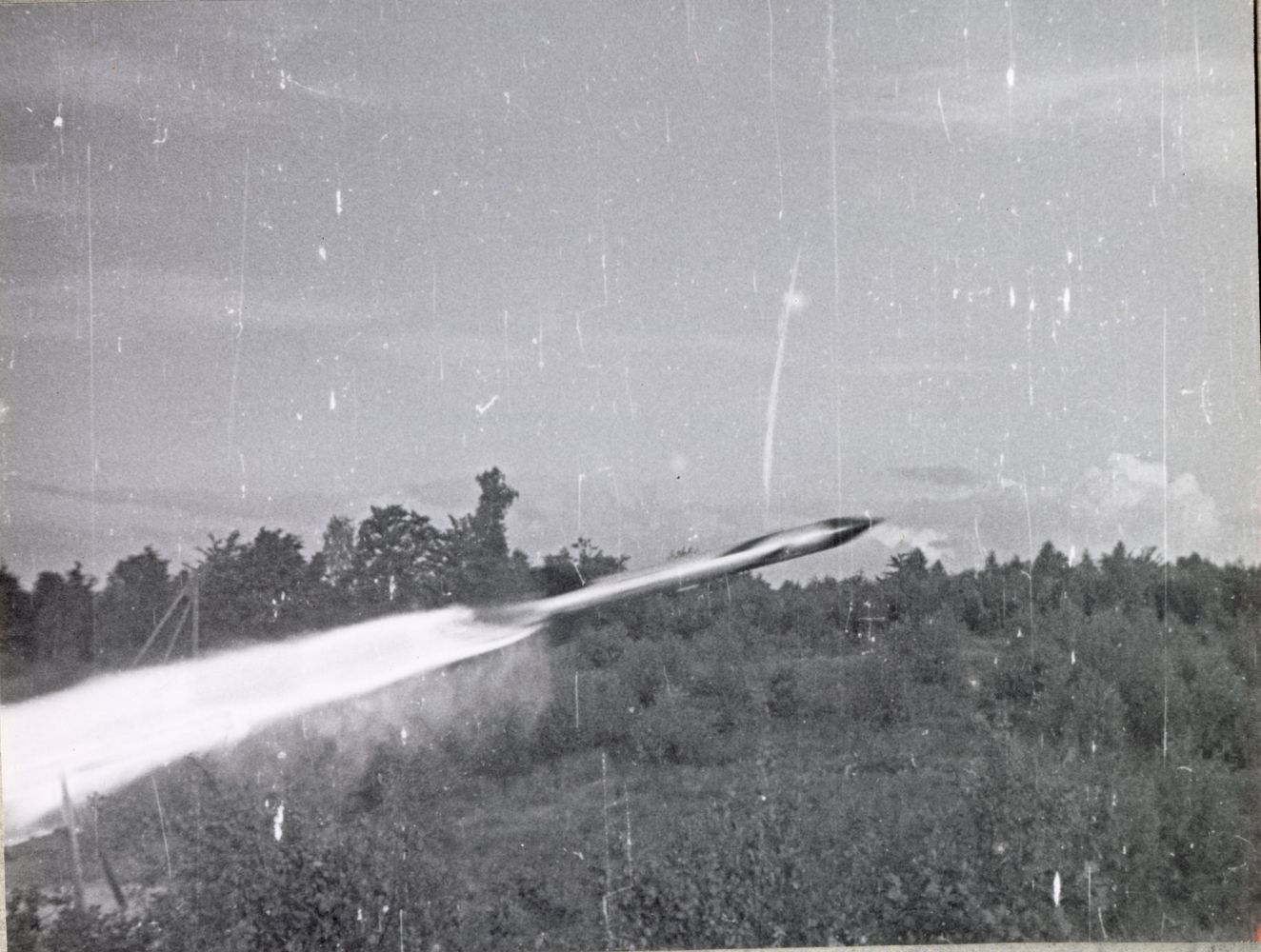
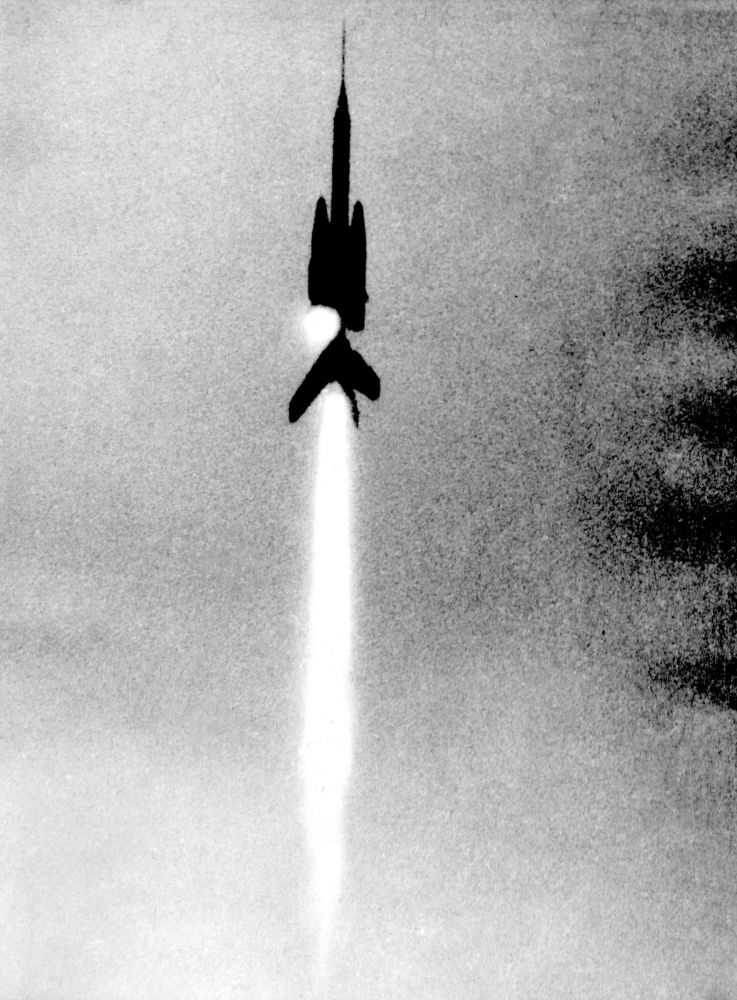
Engineers at the Institute designed and tested various rocket propulsion systems, including:
- pulsejet engines
- flying testbeds for supersonic ramjet engines
- MAK-11 experimental aerial target
- ZZ-30 unguided rocket projectile
Since 2012, the Institute has also conducted research into the production and industrial implementation of high-concentration hydrogen peroxide as a propellant oxidiser, while developing rocket engines powered by hydrogen peroxide, solid propellants and liquid propellants, as well as sounding rockets.
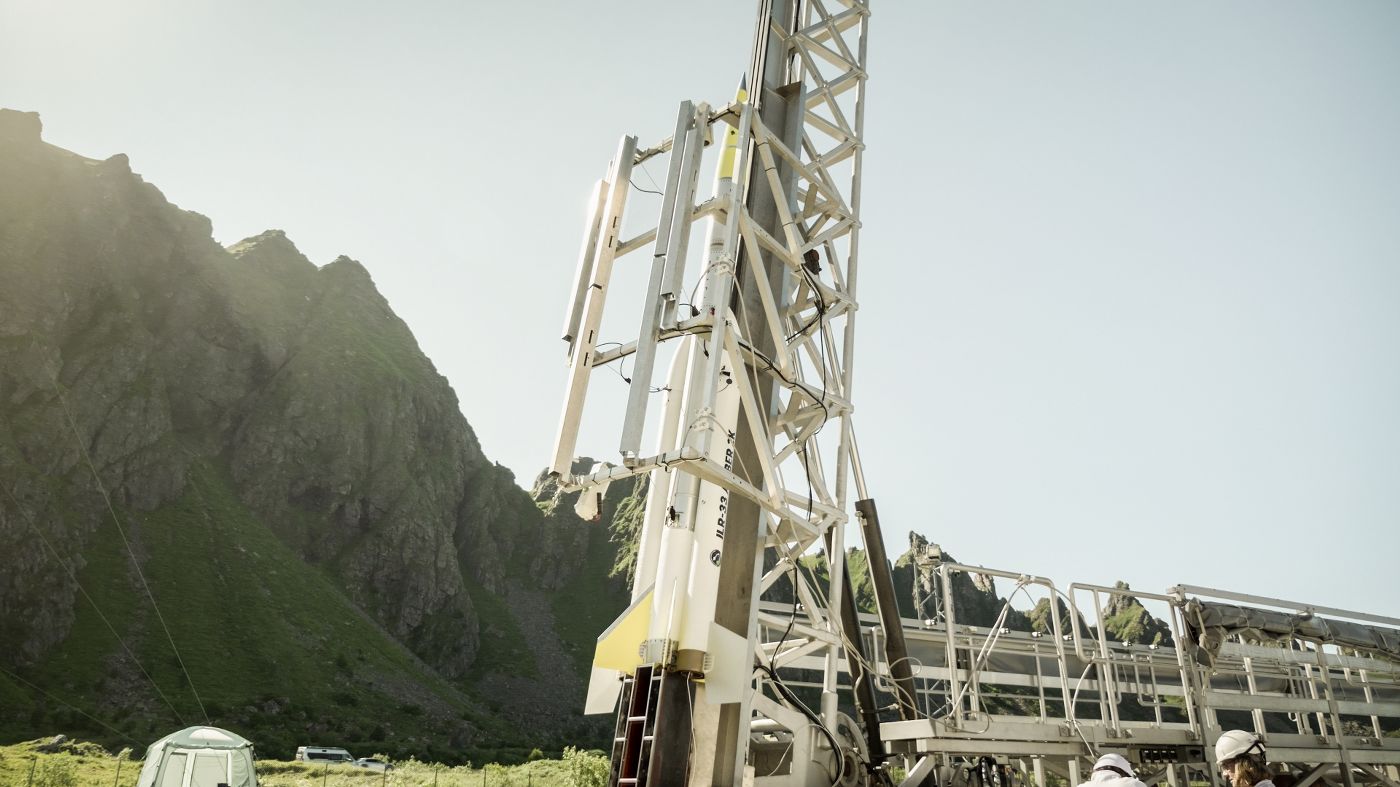
ILR-33 BURSZTYN 2K rocket
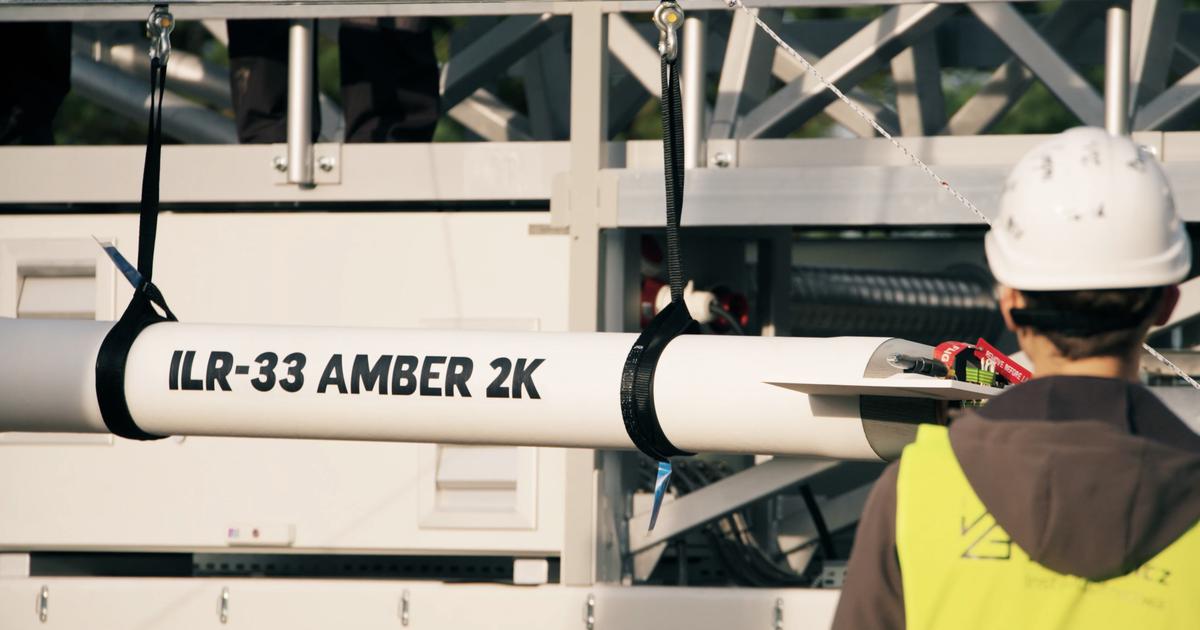
The ILR-33 BURSZTYN 2K suborbital rocket is the first rocket in the world to use hydrogen peroxide with a concentration exceeding 98% as the oxidiser. In 2024, the rocket crossed the boundary of space, reaching an altitude of 101 km.
The project was co-financed by the Polish Space Agency, with participation from Łukasiewicz – Institute of Industrial Organic Chemistry (IPO). Responsibility for the project, which successfully completed its demonstration phase, as well as for the preparation of the flight tests, rested with the Łukasiewicz – Institute of Aviation. The successful launch from Norway followed four earlier flight tests of ILR-33 BURSZTYN and ILR-33 BURSZTYN 2K rockets conducted at Polish testing ranges, where flights were intentionally performed at reduced altitudes for safety reasons.
The achieved altitude was the result of systematic improvements introduced by the Institute’s engineers after each test flight conducted in Poland. These included, among others:
- upgraded auxiliary propulsion units
- a hybrid main-stage engine with extended burn time
- EGG1U pyro cartridges
- pyrotechnic valves
- the OBC-K1 modular onboard computer
- expanded launch infrastructure including the WR-2 mobile launch system
SPARK nanosatellite
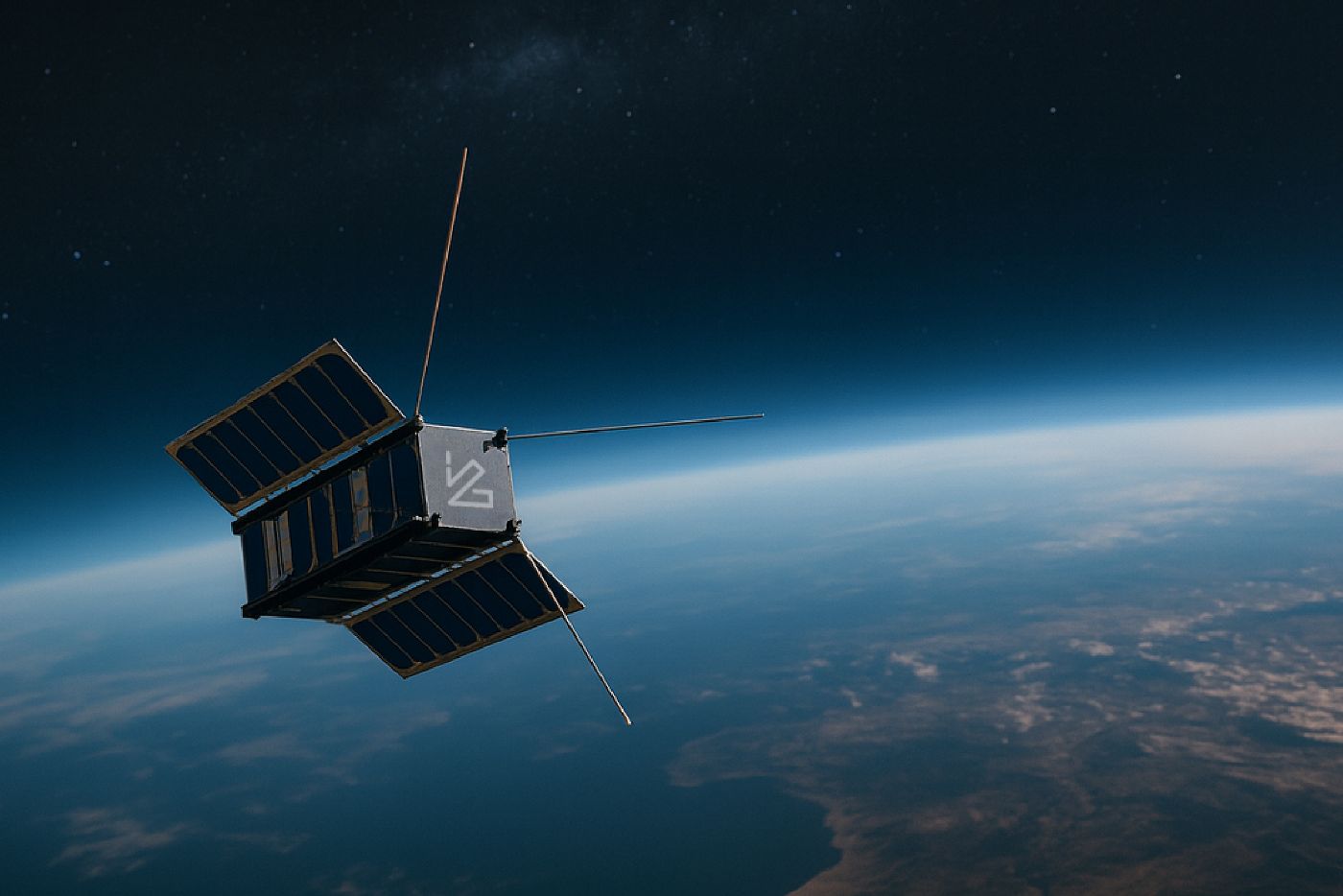
The SPARK nanosatellite project reflects the global transition from the traditional space industry to the rapidly developing space economy, in which space becomes an integral part of modern supply chains, technologies and production systems. The project aims to place a Polish 3U CubeSat research satellite into low Earth orbit, enabling the testing of Polish technologies in real space conditions.
SPARK is a joint initiative within the Łukasiewicz Research Network, involving three institutes:
- Łukasiewicz – Institute of Aviation (project leader)
- Łukasiewicz – Institute of Non-Ferrous Metals
- Łukasiewicz – Industrial Research Institute for Automation and Measurements (PIAP)
The SPARK research satellite will enable research and testing of components developed in Poland, including avionics systems, power systems, onboard computers and communication solutions.
The project responds to the needs of the National Space Programme and the Polish Space Strategy. Successful implementation will provide Polish technologies with flight heritage, i.e. confirmation of their performance in orbital conditions, significantly increasing their credibility and export potential.
AERODYNAMICS
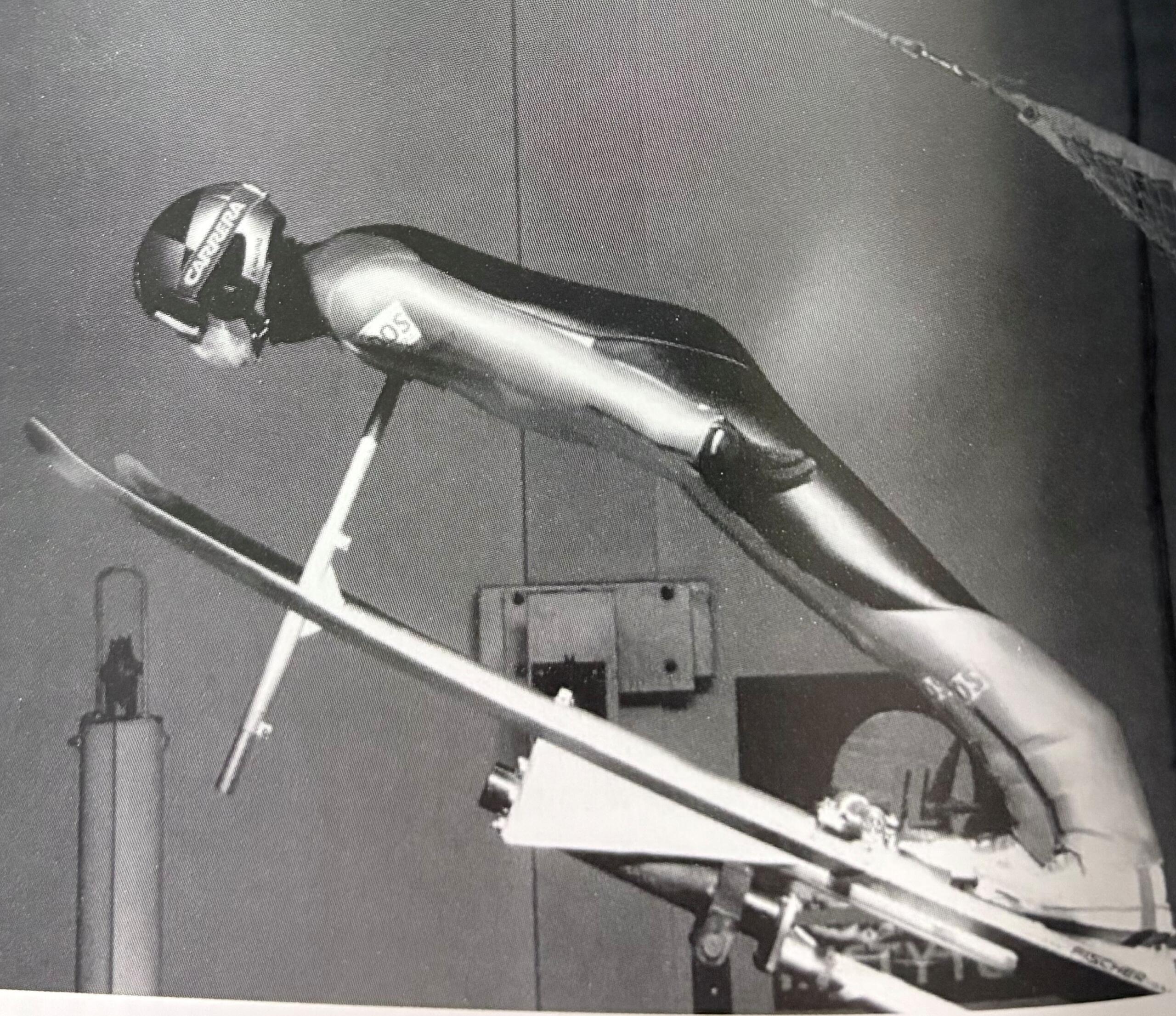
Our pride is the largest wind tunnel in Central and Eastern Europe, built in the 1950s. In addition to this facility, research is conducted in three other wind tunnels at the Institute. Over the years, we have tested not only aircraft and ground vehicles, but also athletes, including ski jumpers, whose aerodynamic performance was analysed in our wind tunnel.
Aerodynamic testing of the Mi-2 helicopter model
Tests were conducted in the 5-metre test section wind tunnel using a model of the Mi-2 helicopter with a rotating rotor, to evaluate the rotor’s influence on the aerodynamic characteristics of the fuselage.
Adam Małysz in the wind tunnel
Poland’s most successful ski jumper Adam Małysz conducted aerodynamic testing in the Institute’s 5-metre wind tunnel.
Polish national ski jumping team in the wind tunnel
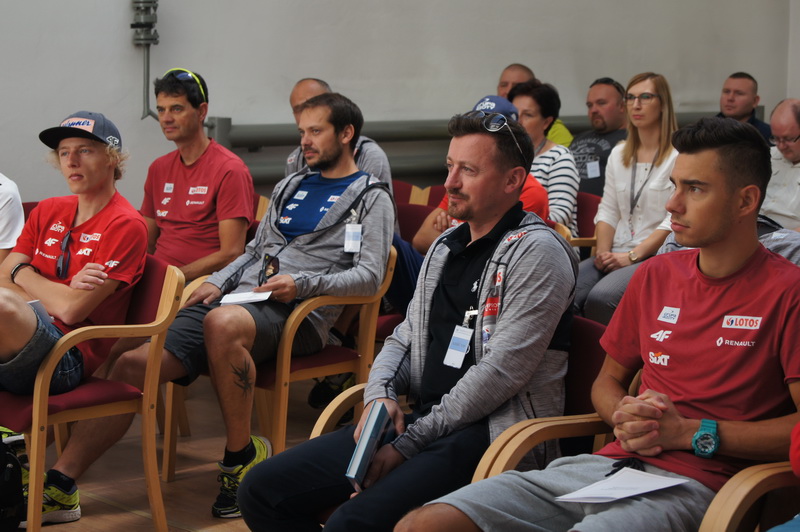
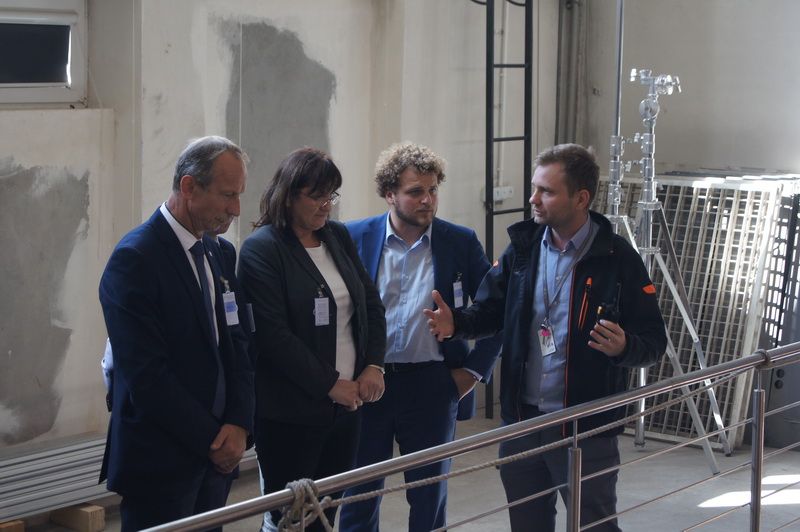
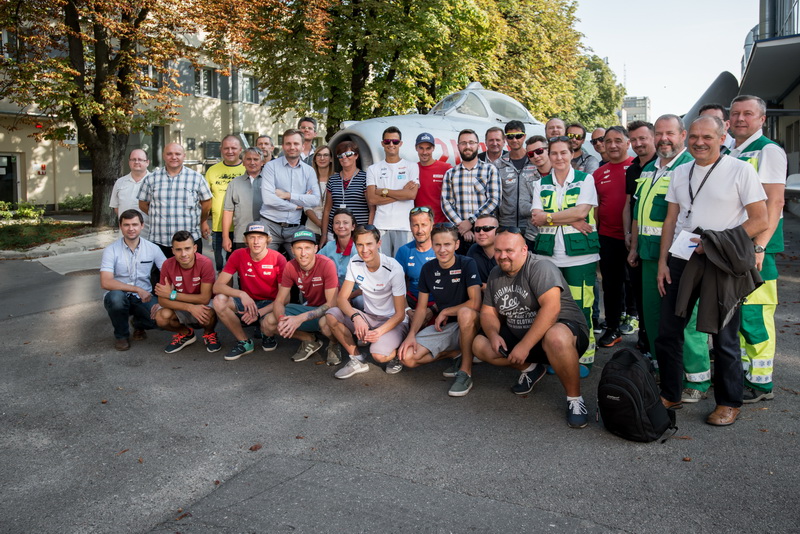
Members of the Polish national ski jumping team, supported by their coaching staff and experts from the Aerodynamics Research Laboratory, conducted aerodynamic tests in the 5-metre wind tunnel.
The wind tunnel had previously been used as a research platform for ski jumpers. Some of the most renowned Polish athletes trained here, including Adam Małysz and Kamil Stoch. The professional support and expertise of the Institute’s specialists during those earlier tests led to further cooperation, this time with a new generation of Polish ski jumpers.
Aerodynamic testing of the PZL W-3 Sokół helicopter model
Wind-tunnel testing of the PZL W-3 Sokół helicopter model was conducted in the T-3 wind tunnel in 1980.
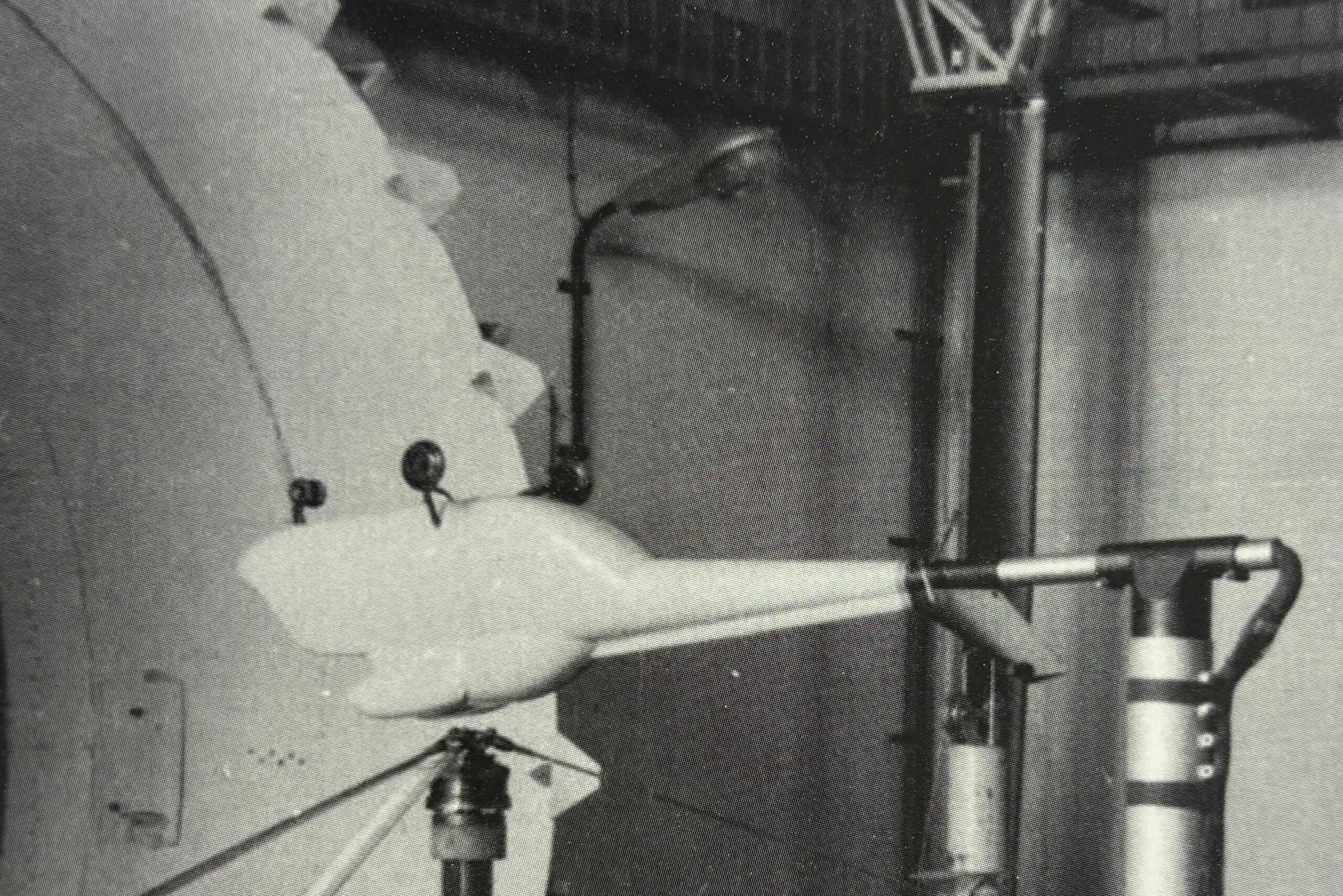
Wind tunnel testing of the ILR-33 BURSZTYN rocket
The ILR-33 BURSZTYN rocket is a flagship project of the Space Technologies Centre. Its performance is comparable to the Meteor-2 rocket, despite having approximately half the launch mass. The photograph shows aerodynamic testing conducted in the wind tunnel.
OTHER PROJECTS
In addition to aircraft, helicopters, drones and rockets, the Institute has also developed various specialised machines used in pilot training and rescue operations.
Human centrifuge
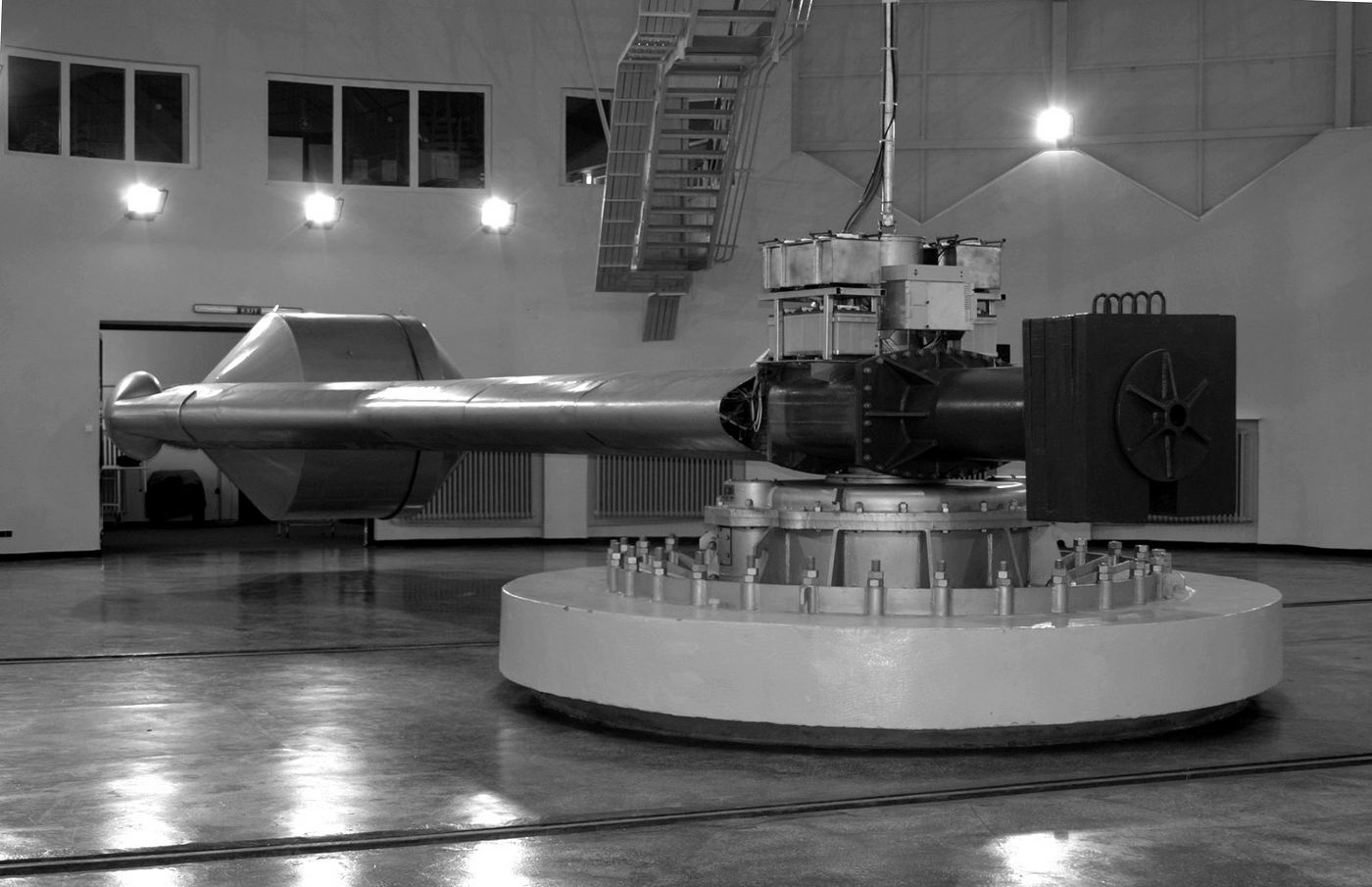
The human centrifuge was developed in the 1990s for the Military Institute of Aviation Medicine. It is used to study the effects of high acceleration on pilots and technical equipment, as well as for pilot training under high-G conditions. A similar centrifuge was also developed for the Canadian Defence and Civil Institute of Environmental Medicine.
PRC-650 rescue and patrol hovercraft
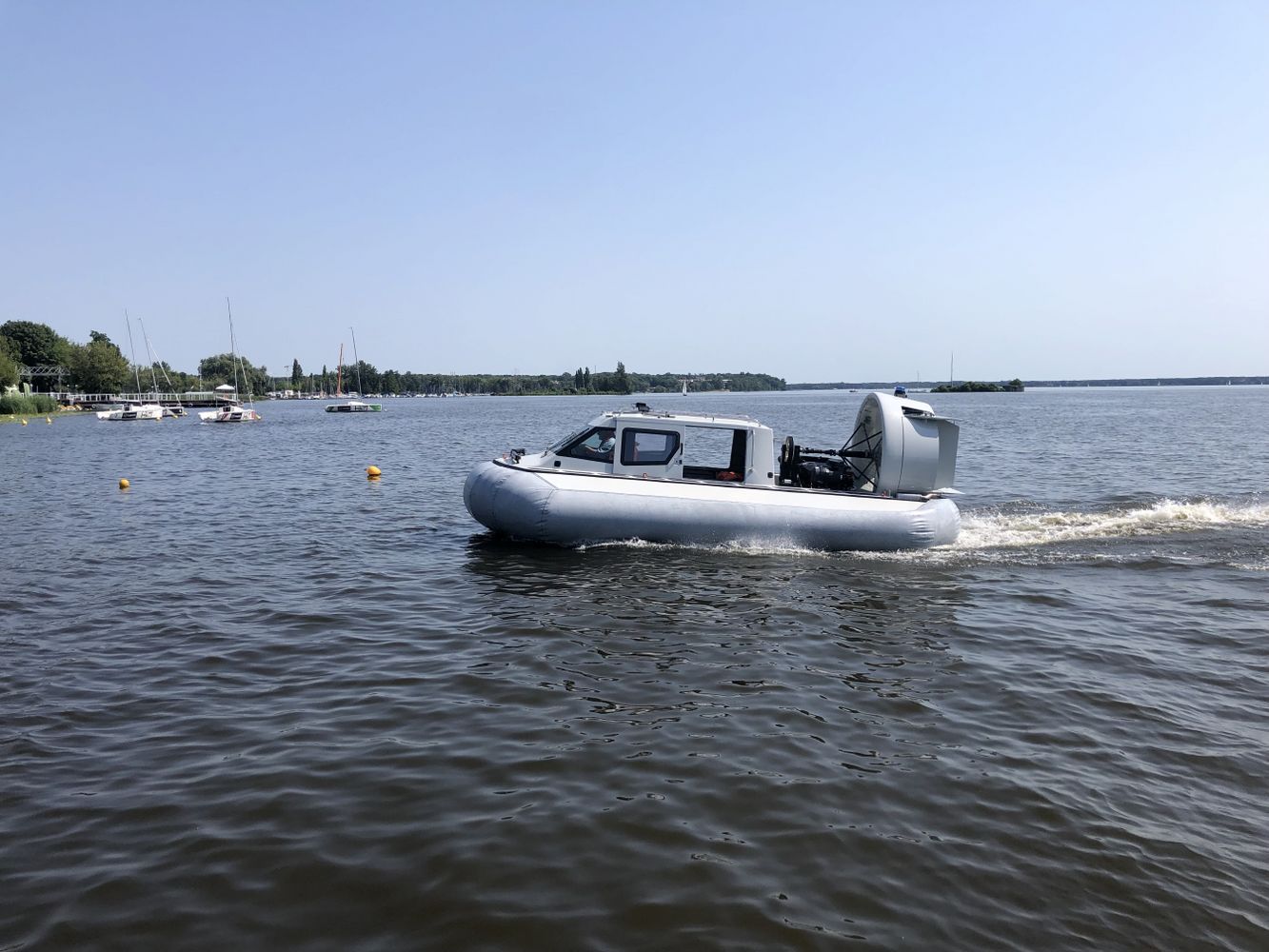
The PRC-650 represents a continuation of a successful series of hovercraft used for over 20 years by water rescue services. The vehicle is designed for rescue and patrol operations on inland waters, particularly in winter conditions on fragile ice and shallow waters. The new version incorporates the Institute’s latest experience in aerodynamic optimisation, advanced manufacturing techniques and composite structural design.
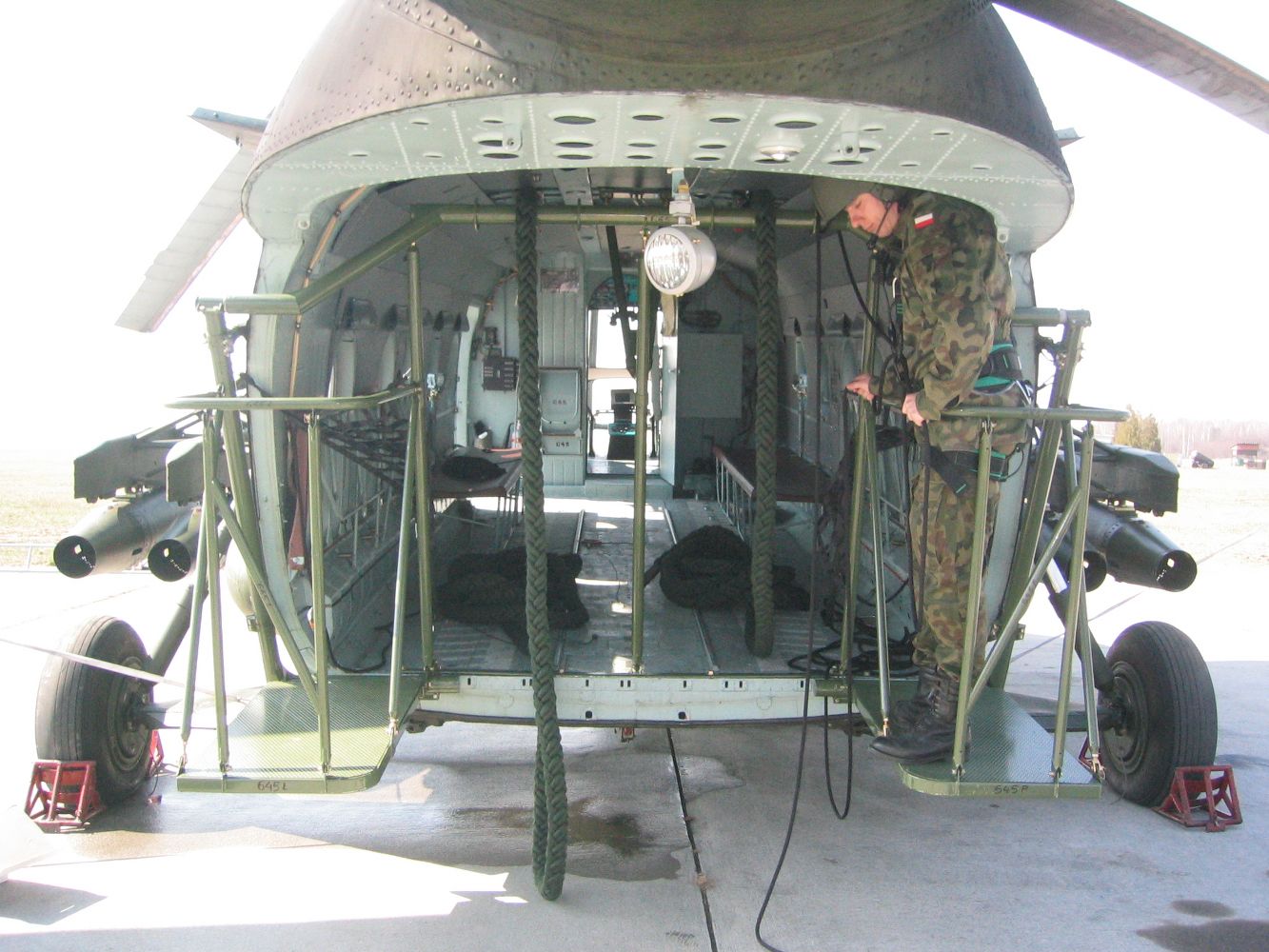
IL-SPIDER fast-roping platform
The IL-SPIDER platform was designed to improve fast-roping operations from Mi-8 and Mi-17 helicopters during airborne deployments.
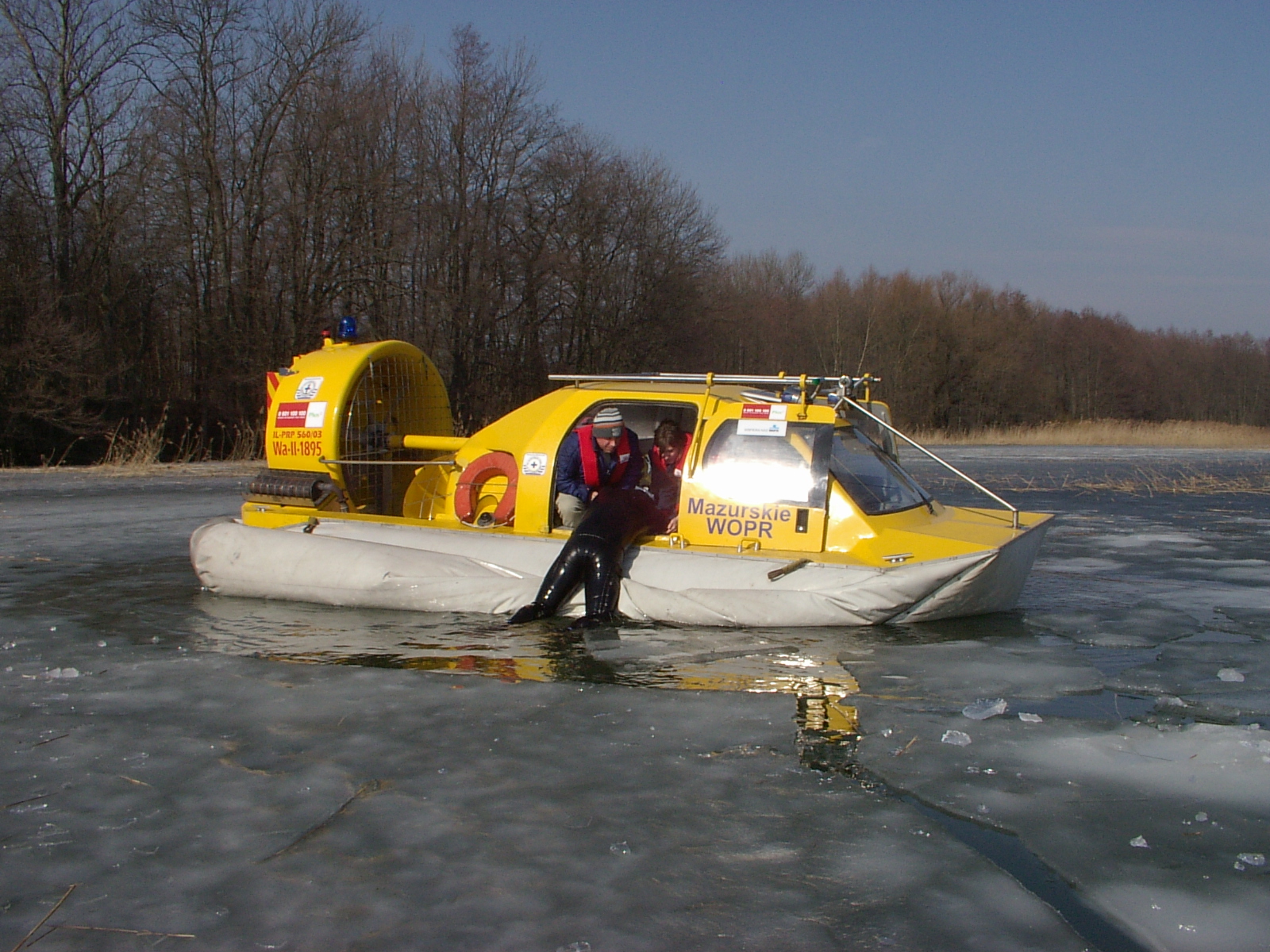
PRP-560 Ranger hovercraft
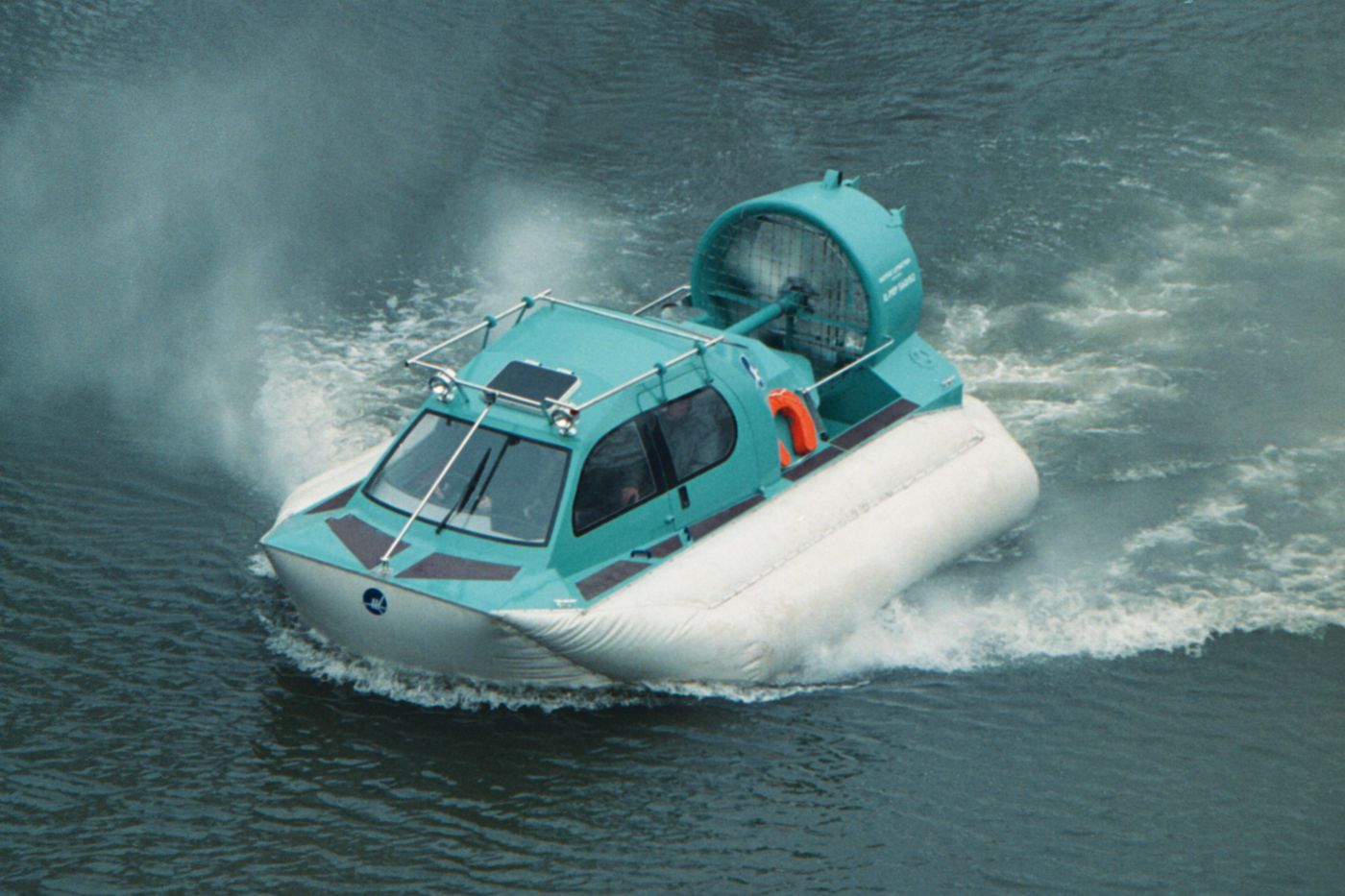
The PRP-560 Ranger hovercraft was designed for use by fire-rescue units, border guard services, police patrol units and water rescue teams. It was intended for operations on inland waters, ice floes, marshlands and coastal zones. In 2001, the PRP-560 Ranger received a classification certificate from the Polish Register of Shipping.
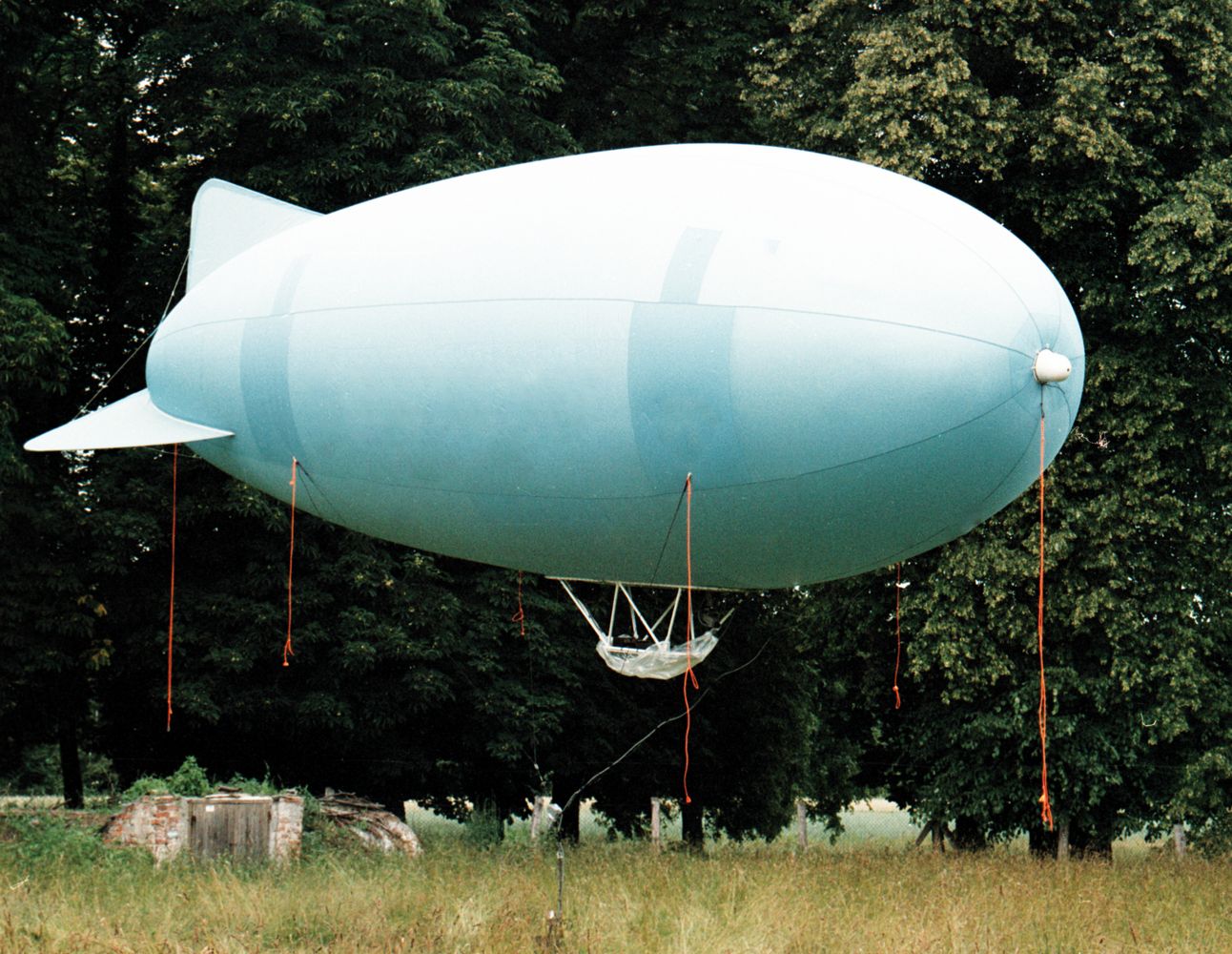
BOS unmanned observation system
The BOS observation system consisted of an aerostat carrying an observation platform and a ground control station enabling operators to manage the system.
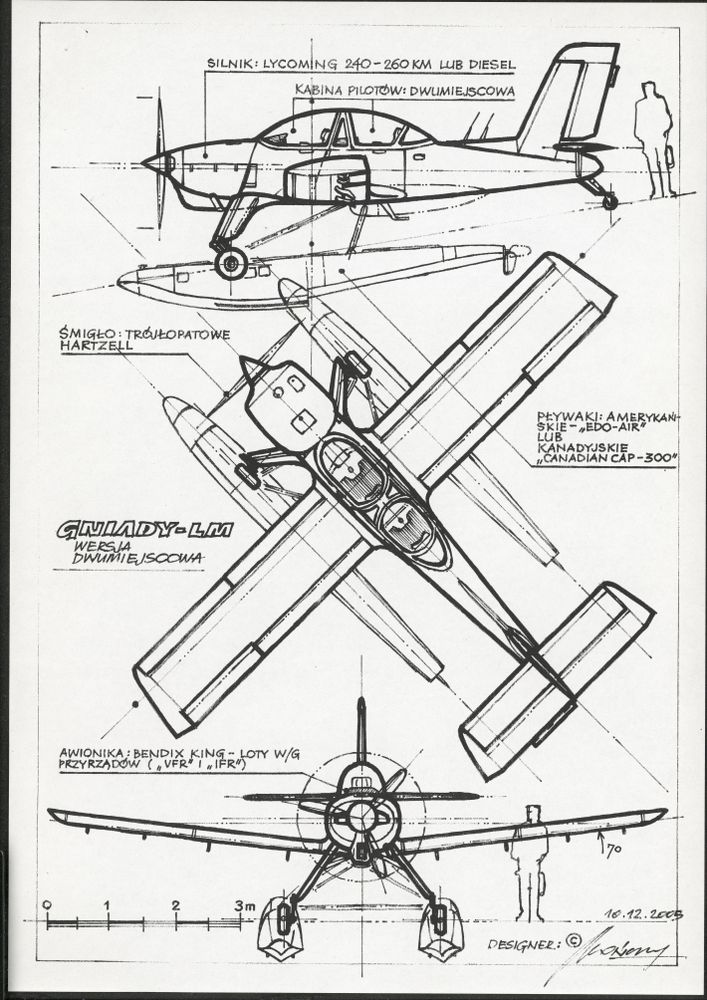
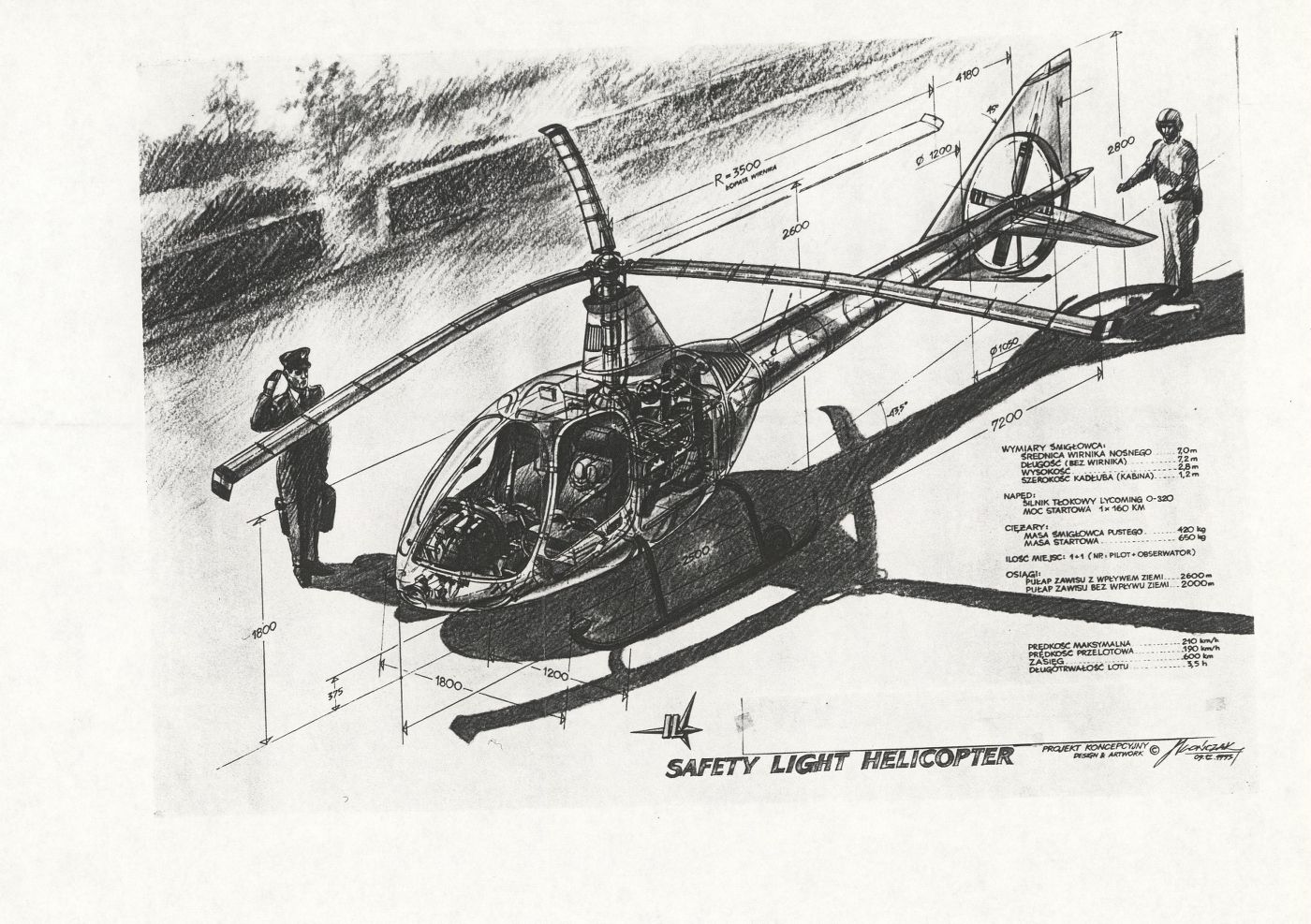
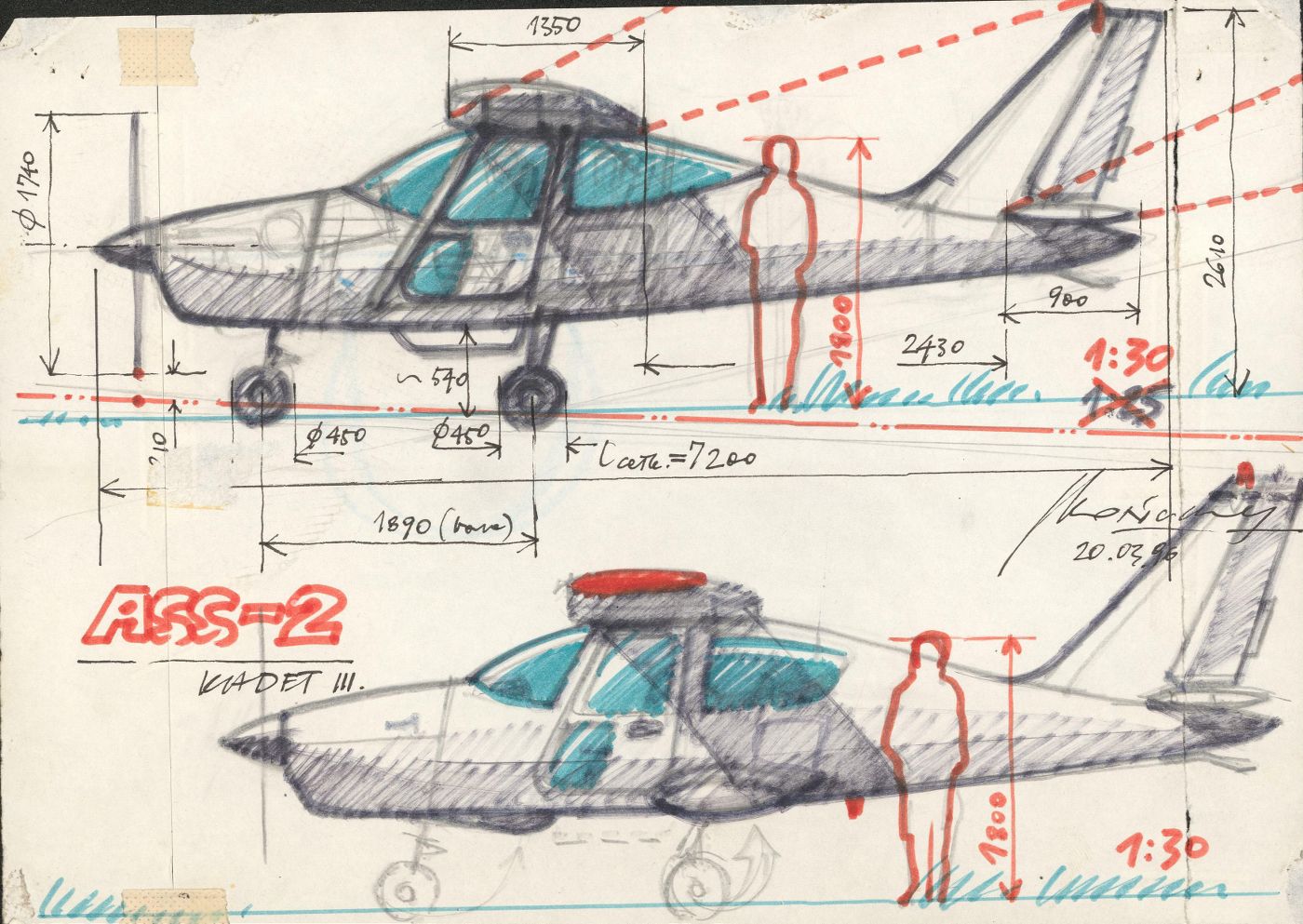
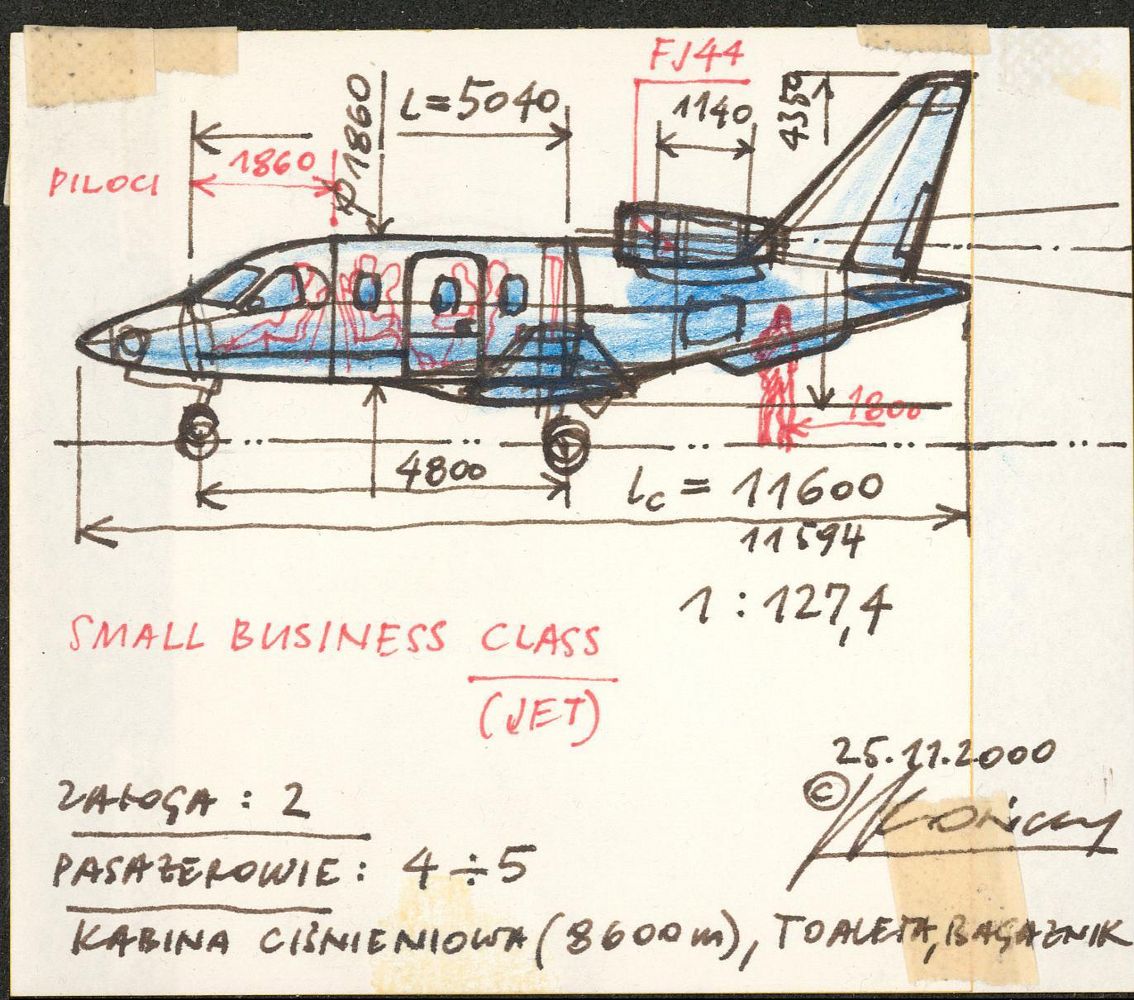
SELECTED CONCEPTS FROM THE ARCHIVE OF DR ENG. JACEK KOŃCZAK
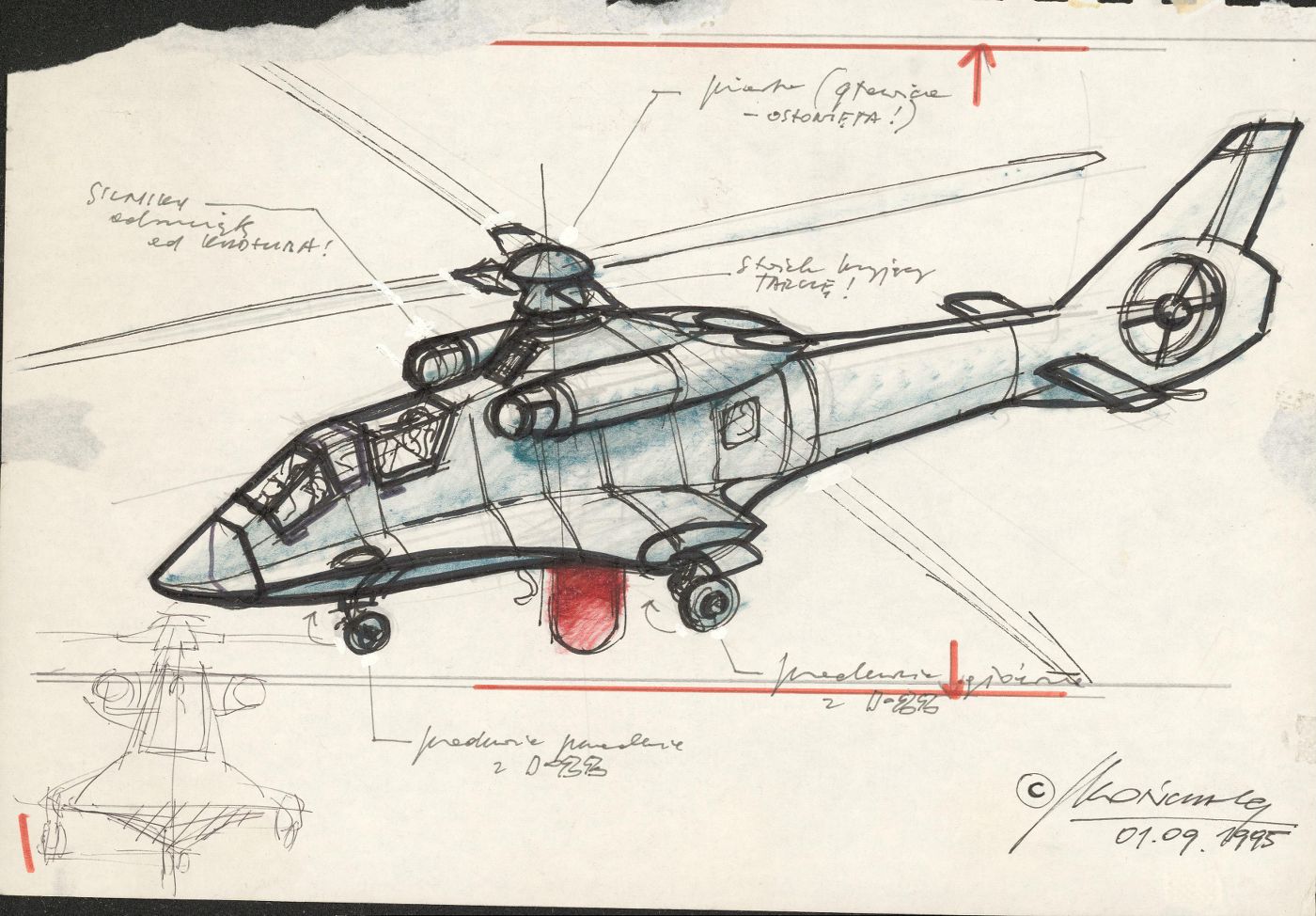
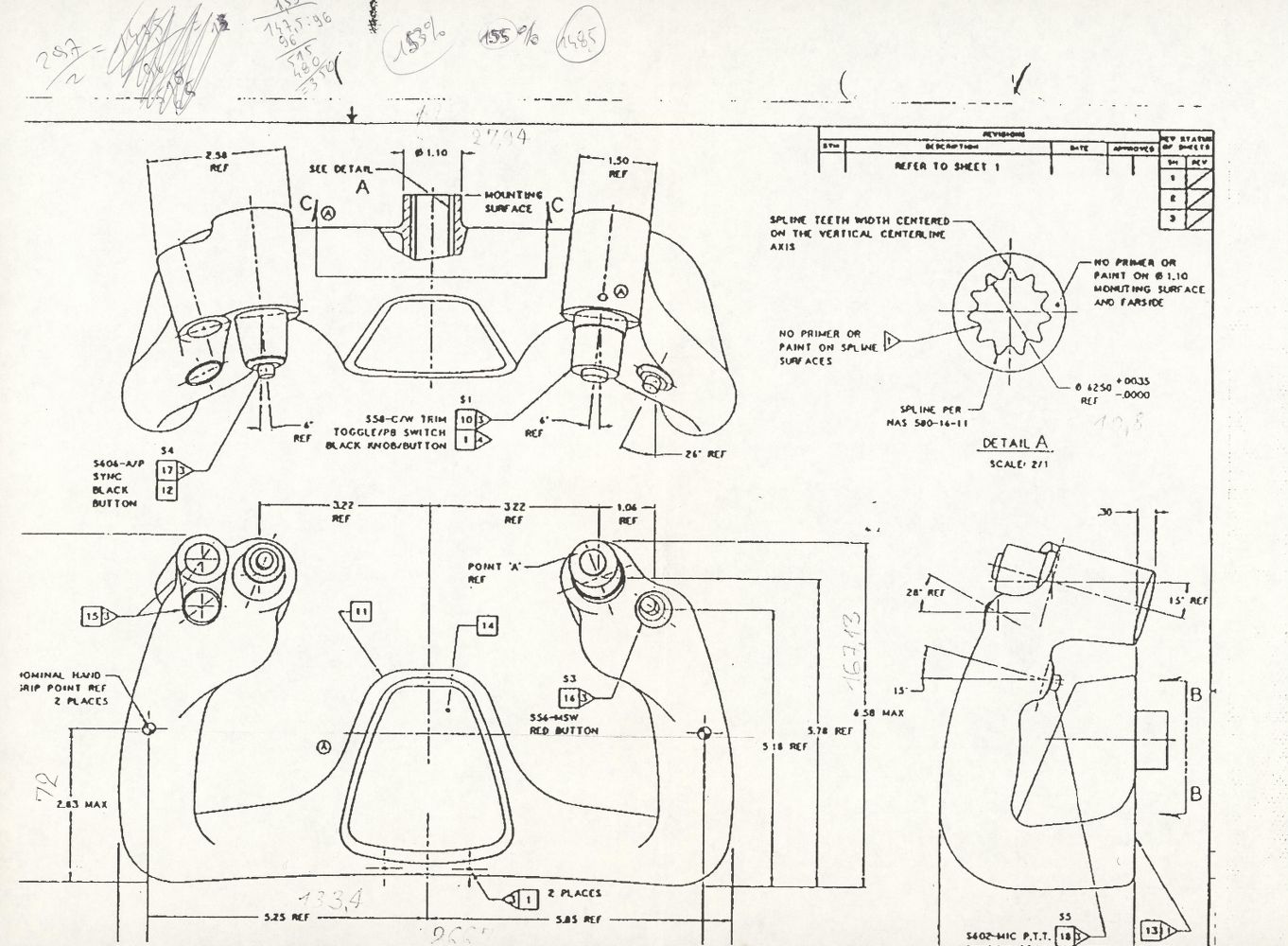
The Institute has always been home to passionate engineers whose ideas often extended beyond standard research programmes. The archive of Dr Eng. Jacek Kończak contains numerous innovative concepts, several of which are presented here as examples of the creative engineering work carried out at the Institute.